






Do I Need a Permit to Clear Pimlico Building Waste?
Posted on 22/06/2026
If you are planning a renovation, strip-out, flat refit, or even a small builder's tidy-up, one question comes up fast: Do I Need a Permit to Clear Pimlico Building Waste? It sounds simple, but the answer depends on what you are clearing, how it is being moved, where the waste is stored, and whether anything touches the public highway. In Pimlico, that can matter more than people expect. Narrow streets, busy parking, controlled access, and neighbour considerations all add a layer of practical reality. The good news? Once you understand the basics, the whole thing becomes much easier to handle.
In this guide, we'll break down when a permit is usually needed, when it is not, and what to check before you start shifting rubble, timber, plasterboard, or old fixtures. We'll also cover the common mistakes people make, what best practice looks like, and how to keep the job smooth rather than stressful. Because let's face it, nobody wants a tidy-up to turn into a fine, a delay, or a van blocking the road at the worst possible moment.
Why Do I Need a Permit to Clear Pimlico Building Waste? Matters
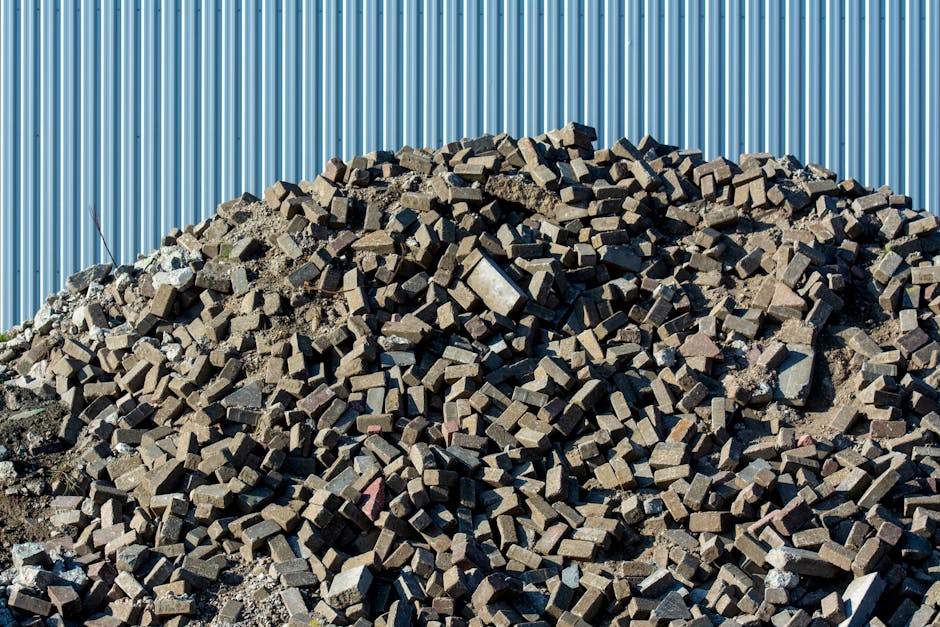
The permit question matters because building waste is not just "rubbish". It can include heavy, dusty, awkward, or potentially hazardous materials that need to be handled properly. In a dense London area like Pimlico, the logistics matter just as much as the waste itself. A quick clearance can become complicated if a skip, van, loading bay, or temporary storage area is placed where permission is needed.
People often assume a permit is only about the waste content. In reality, it is usually about where the waste sits and how it is moved. If your builder's waste never leaves private property until it is loaded legally and removed by a licensed carrier, you may not need any street permit at all. But if anything spills onto the pavement, road, or a parking-controlled area, the rules can change quickly.
This is why the topic gets so much attention from homeowners, landlords, developers, and small businesses. One missed detail can create a real headache. A skip left on the road without approval, for example, is not just untidy; it can cause access issues for neighbours, block deliveries, and attract enforcement action. Not ideal, to say the least.
If you are also weighing up whether to use a managed service rather than organise every piece yourself, it may help to look at the wider range of options on the services overview page or read more about the company's approach on about us.
How Do I Need a Permit to Clear Pimlico Building Waste? Works
The phrase may sound awkward, but the underlying process is fairly straightforward. First, identify the waste type. Then decide how it will be collected, where it will be stored temporarily, and whether any part of the job affects public land. From there, the permit question becomes much clearer.
In practice, you are usually looking at one of these scenarios:
- No permit required if all waste stays on private property and is taken away by a compliant waste carrier.
- Permit may be required if a skip, container, or loading setup is placed on a public road or other controlled space.
- Additional permissions may be needed if access is restricted, if work affects parking, or if there are safety issues around the collection point.
For example, a kitchen renovation in a Pimlico terrace might create plasterboard, tiles, old units, and packaging. If the waste is bagged on site and removed from a private driveway or courtyard, you may not need a permit. But if the only practical place for a skip is on the street, the permit side becomes a real issue.
The key thing is not to treat all waste removals the same. Builders' waste, bulky household items, office clearances, and garden debris can each involve different handling considerations. If your job is part of a broader project, it may help to see how a dedicated builders waste disposal Pimlico service fits into the picture. For mixed loads or non-construction clearances, a broader waste clearance Pimlico option can be more practical.
Truth be told, the fastest way to get clarity is to ask two questions: where will the waste sit, and what vehicle or container will collect it? Those two answers usually tell you most of what you need.
Key Benefits and Practical Advantages
Sorting out the permit question properly gives you more than compliance. It can save time, reduce stress, and avoid awkward surprises half-way through a project. A lot of people only realise this when a skip arrives and suddenly there's nowhere legal to put it. Then the conversation gets less fun, quickly.
Here are the main benefits of getting the process right:
- Fewer delays because you know what can be placed where before collection day.
- Lower risk of fines or enforcement issues from using public space without permission.
- Safer site conditions because waste is not left in awkward walkways or access routes.
- Better neighbour relations since roads, pavements, and entrances stay clearer.
- Smoother budgeting because you can compare skip-based and collection-based options properly.
There is also a practical benefit that gets overlooked: permit planning helps you choose the right waste removal method in the first place. If a permit would be expensive or inconvenient, you may prefer a same-day collection model that avoids public road storage altogether. That can be especially useful in busy parts of Pimlico where kerb space is tight and nobody wants a container sitting outside for days.
If you want a better sense of how pricing and quote structures are usually presented, the page on pricing and quotes is worth a look. And if your project involves a lot of debris or mixed materials, you may also find the company's recycling and sustainability approach helpful, because disposal method matters as much as collection method.
Who This Is For and When It Makes Sense
This topic is relevant to far more people than you might think. It is not just for large construction firms. In Pimlico, the most common cases are often small and very ordinary: a flat refurbishment, a bathroom rip-out, landlord turnover, office clear-out, or post-builder tidy-up after a minor project.
You may need to think about permits or permissions if you are:
- a homeowner doing renovation work in a terrace, mews, or apartment building;
- a landlord clearing out after tenants or preparing a property for sale;
- a contractor organising builders' waste from a refurb;
- a business removing office fixtures, old furniture, or archived material;
- someone dealing with bulky waste after repairs or property damage;
- a resident whose building has limited access, no driveway, or strict access rules.
Some jobs are obviously permit-sensitive. A skip on the road, for instance, usually raises the question straight away. Others are less obvious. An 8am van arrival might be fine, but if it blocks a loading area or needs extra time in a controlled bay, the logistics become more delicate. You may not be dealing with a formal permit, but you are still dealing with permission, access, and timing.
For people moving through a clearance after a difficult event, like water damage or break-in repairs, the urgency can make everything feel heavier. In those situations, having a clear plan helps. The article on emergency rubbish removal for Pimlico floods or break-ins is a useful related read if the job has that kind of time pressure.
Step-by-Step Guidance
If you are asking the permit question for a real project, here is the cleanest way to work through it. No drama, no guesswork.
- List the waste type. Separate builders' waste, general rubbish, bulky items, and anything that may need special handling.
- Decide where it will be stored. Private land, a front garden, a driveway, a shared courtyard, or the street all create different obligations.
- Check access and loading needs. Will a van be able to stop safely? Is a skip needed? Will the removal take a few minutes or a few hours?
- Identify whether public space is involved. If any part of the job sits on a road, pavement, or controlled bay, stop and reassess before proceeding.
- Confirm the waste carrier. Make sure whoever is taking the waste away is operating in a compliant and responsible way.
- Compare the collection method. Skip hire, man and van removal, or a broader clearance service may each have different permit implications.
- Book early if timing is tight. Permissions, access slots, and removal windows can all affect the schedule.
A little real-world tip: in a tight London street, timing can matter as much as the paperwork. A collection booked for the wrong hour can become frustrating, not because the waste is difficult, but because cars, residents, and deliveries all seem to arrive at once. London, eh?
If your job is mainly domestic, like furniture or mixed household waste, the house clearance Pimlico and rubbish removal Pimlico pages may help you judge what kind of service is most suitable. For office strip-outs, a dedicated office clearance Pimlico option can be the better fit.
Expert Tips for Better Results
Once the basic permit question is settled, the next step is making the whole process easier on yourself. In our experience, a few smart habits make a big difference.
1. Keep waste sorted from the start. Do not dump everything into one pile if you can avoid it. Bricks, timber, metal, and general waste are easier to assess when they stay separate. That usually helps with cost and handling.
2. Measure access before collection day. A surprising number of problems happen because the team arrives and finds a tighter turning circle, low archway, or awkward gate than expected. It happens. More than people admit.
3. Take photos of the waste area. This sounds a bit overcautious, but it helps if you are comparing quotes or explaining access conditions. Even a few phone shots can save a lot of back-and-forth.
4. Ask about loading time and containment. If waste needs to wait on-site briefly, make sure it is secure and not creating dust, trip hazards, or blocked exits.
5. Think ahead about mixed waste. If your project includes a combination of builders' debris and household items, the simplest route is often a service that can handle mixed loads without you coordinating several pickups.
6. Keep an eye on recycling. Responsible disposal is not only about getting the waste away; it is also about making sure recyclable material is diverted appropriately where possible.
For reassurance on operational standards, you may want to review the company's insurance and safety information. For many readers, that is the point where things stop feeling vague and start feeling properly under control.
Common Mistakes to Avoid
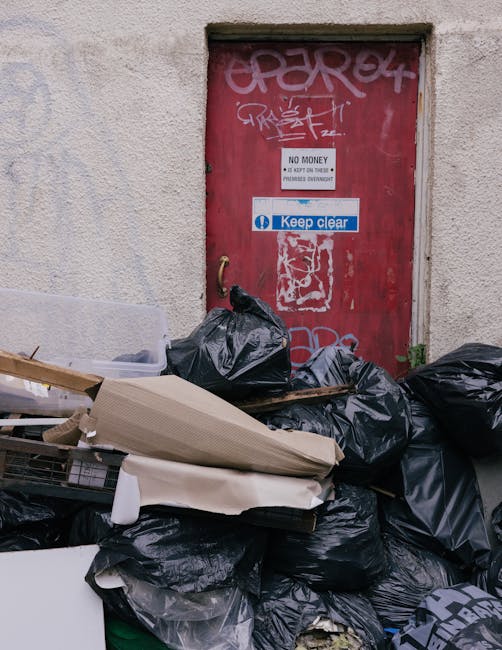
Permit issues tend to come from the same handful of mistakes. Once you know them, they are easy enough to sidestep, but people do still get caught out.
- Assuming no permit is needed because the project is small. Small jobs can still involve public space.
- Leaving waste in a shared area without checking access rules. Shared courtyards and communal entrances can have restrictions.
- Booking a skip before confirming where it will sit. The "we'll sort it when it arrives" approach is usually where headaches begin.
- Ignoring hazardous materials. Some waste needs separate handling or immediate attention.
- Confusing private land with private convenience. Just because a space feels private does not always mean it is free of restrictions.
- Not checking the fine print on quotes. Extra charges can appear if access, lifting, or waiting time is more complicated than expected.
That last one is especially worth watching. If you want a clearer sense of how extra costs can creep in, the piece on hidden fees in Pimlico rubbish quotes is a helpful companion read. It is not glamorous, but it is practical, which is better.
Tools, Resources and Recommendations
You do not need a huge toolkit to deal with building waste properly. What you do need is a good process and a few sensible checks.
- Basic measuring tools for access widths, doorway clearances, and waste stack size.
- Phone photos to document the waste area and access route.
- A simple checklist covering waste type, location, timing, and collection method.
- Clear labels or separate piles if the waste includes different materials.
- Quote comparison notes so you can compare service scope properly rather than just the headline price.
For a broader sense of what local support looks like, you can browse the company's main services hub and see which solution aligns with your waste type. If you are dealing with unusually urgent access needs or a narrow turnaround window, the article on quick rubbish pickup on Charlwood Street Pimlico gives a useful local example of speed being part of the decision, not just convenience.
And if your project is linked to renovation work in a way that creates bulky debris, the page on bulky waste pickup in Pimlico is worth a look for understanding how larger items are handled in practice.
Law, Compliance, Standards, or Best Practice
Without getting tangled in legal jargon, the main point is this: waste must be handled responsibly, and public space must not be used casually. If a skip, builder's bag, or temporary storage arrangement goes onto the road, it is usually the permission side that matters. If waste is hazardous, controlled, or potentially harmful, extra care is needed.
Best practice in the UK typically means:
- using a proper waste carrier;
- avoiding fly-tipping or leaving waste in unsecured places;
- separating hazardous items where appropriate;
- keeping access routes safe and clear;
- checking whether any street occupation or parking arrangement needs permission;
- being transparent about the waste type before collection.
For hazardous items, the process becomes more sensitive. You should not guess. If you suspect sharp, chemical, asbestos-like, or contaminated material, use a specialist approach and treat the issue seriously from the outset. The page on hazardous waste disposal in Pimlico is a sensible starting point for that kind of scenario.
There is also a wider trust issue here. Responsible operations should be clear about how they handle waste, how they protect people, and how they manage legal and ethical obligations. If that matters to you - and it should - the company's modern slavery statement and privacy policy are both part of the trust picture, even if they are not the flashy parts of the job.
Options, Methods, or Comparison Table
There is no single "best" way to clear Pimlico building waste. The right choice depends on access, volume, urgency, and whether public space is involved. Here is a straightforward comparison.
| Method | Best for | Permit risk | Practical notes |
|---|---|---|---|
| Skip hire | Larger projects with steady waste output | Higher if placed on the road | Good when waste is continuous, but space and permissions matter |
| Man and van clearance | Smaller or mixed waste loads | Lower if loading from private land | Often faster and more flexible in tight streets |
| Full site clearance | House, office, or end-of-project clearances | Usually manageable with proper planning | Useful when there is more than just one pile of debris |
| Specialist hazardous removal | Risky or contaminated materials | Depends on handling and containment | Never treat this as ordinary waste |
If your waste is mostly household or general clutter rather than pure construction debris, the waste clearance Pimlico page may align better with your needs than a skip-based approach. If it is mainly after a refurbishment, then the builders' route is more likely to fit.
Case Study or Real-World Example
Here's a realistic local scenario. A Pimlico flat is being refurbished before letting. The work includes stripping old flooring, removing a bathroom suite, and disposing of bags of plasterboard and broken tile. The landlord first thinks about booking a skip because it feels straightforward. But the building has no driveway, the street is busy, and the available parking space is limited. So the permit question becomes the turning point.
After checking access, the landlord realises that placing a skip outside would likely create more problems than it solves. Instead, the waste is grouped inside the property, kept separated by type, and collected in one timed load from private access. That means no street occupation, less disruption for neighbours, and less chance of delays caused by parking restrictions. Simple, really - once the practical details are looked at properly.
The result is not only a cleaner site, but a calmer project. The landlord avoids the stress of managing a container on the road, and the builders can work without constantly working around access issues. That sort of planning often saves more time than people expect. A small amount of forethought goes a long way.
For readers handling similar property work in the area, the local posts on Pimlico property investment tips and investment guidance for Pimlico properties give useful context on how presentation, turnaround, and timing can shape a project's success.
Practical Checklist
Use this before you book anything. It is the kind of quick list that saves awkward surprises later.
- Have I identified exactly what kind of waste I am clearing?
- Will any part of the clearance use a road, pavement, parking bay, or other public space?
- Is the waste staying on private land until collection?
- Do I need a skip, or would a direct collection be easier?
- Have I checked access, width, turning space, and loading time?
- Is any of the waste hazardous or likely to need separate handling?
- Have I compared the cost of skip hire against collection-based clearance?
- Have I confirmed the waste will be taken away by a compliant operator?
- Do I know the collection window and any timing restrictions?
- Have I checked the site will remain safe and clear for neighbours and workers?
If you are unsure about any item on that list, pause and sort it out before waste starts piling up. That one decision can save a lot of mess, and a fair bit of irritation too.
Get a free quote today and see how much you can save.
Conclusion
So, do you need a permit to clear Pimlico building waste? Sometimes yes, sometimes no - but the deciding factor is usually public space, access, and the collection method rather than the waste itself. If everything stays on private property and is removed properly, you may not need a permit at all. If a skip or loading setup touches the street, then permission becomes much more likely.
The smart move is to plan the clearance around the site, not the other way around. That means checking access, separating waste, confirming how it will be removed, and paying attention to any road or pavement use. In a place like Pimlico, where space is tight and timing can be a bit of a dance, that planning really matters.
And if all of that sounds like a lot, that's fair enough. It can be. But once the basics are clear, the job is usually much simpler than it first appears.
Choose the method that keeps your project safe, tidy, and moving forward - and the rest tends to fall into place.