




Emergency Rubbish Removal for Pimlico Floods or Break-ins
Posted on 15/05/2026
When a flat, shop, or office in Pimlico is hit by flooding or a break-in, the mess can feel bigger than the incident itself. Wet furniture, shattered glass, broken packaging, damaged personal items, and awkward piles of debris can turn a stressful day into a proper headache. Emergency Rubbish Removal for Pimlico Floods or Break-ins is about getting that space safe, clear, and usable again as quickly as possible, without making the situation more difficult than it already is.
It is not just a tidy-up. In real life, this kind of clearance often sits right between urgent safety work and practical recovery. You may need access for insurers, contractors, landlords, or the police. Or you may simply need the place to stop smelling damp, stop feeling exposed, and start looking normal again. This guide walks through what happens, what to expect, and how to choose the right approach in Pimlico. If you want a broader look at local service options, you can also explore our services overview or the main rubbish removal in Pimlico page.
Why Emergency Rubbish Removal for Pimlico Floods or Break-ins Matters
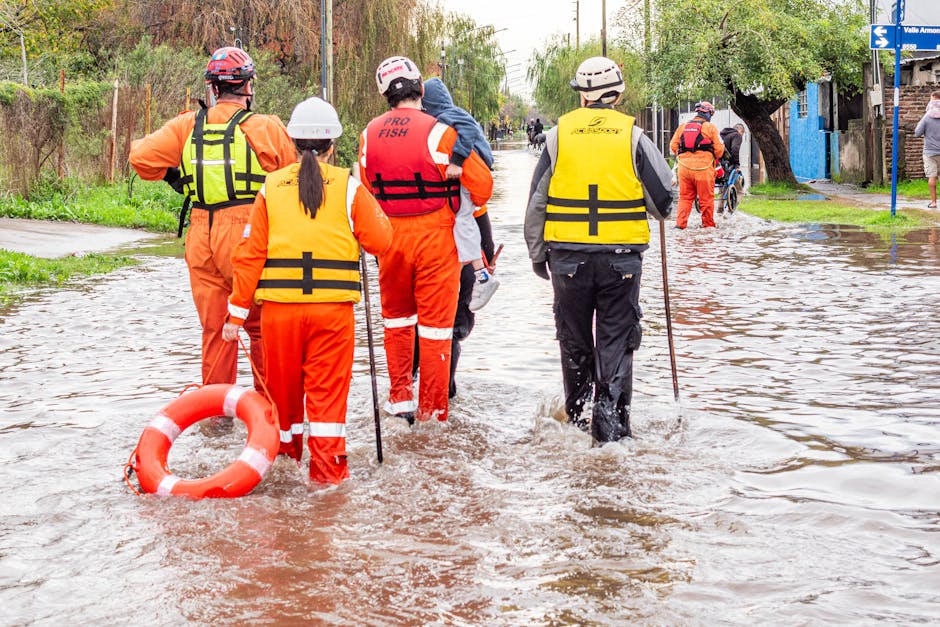
Flood damage and break-in damage have one thing in common: they create uncertainty fast. A living room that was fine yesterday can become unsafe by lunchtime. A hallway can be blocked by sodden carpets, soaked cardboard, or a smashed cabinet. And in a break-in, the emotional strain is often just as real as the physical damage. Truth be told, people sometimes delay clearance because they feel numb, angry, or unsure where to begin. That delay can make recovery slower and messier.
In a dense part of London like Pimlico, speed matters for another reason too: access. Many properties here sit on narrow streets, have shared entrances, or involve basement flats, mews-style access, or limited parking. If rubbish, damaged household items, or waterlogged waste are left in place too long, the practical problems snowball. You may get damp spreading, odours settling in, mould taking hold, or pests finding a very uninvited home. Nobody wants that.
There is also the matter of safety. Floodwater can hide sharp fragments, contaminated materials, and unstable furniture. Break-in debris can include broken glass, forced fittings, and splintered timber. A quick and careful clearance reduces the chance of injury and helps protect anyone who still needs to enter the property. If you are already dealing with repairs or a partial house clearance, our house clearance in Pimlico page may also be useful for planning the next step.
Key takeaway: emergency clearance is about more than making a place look tidy. It protects health, supports repairs, and helps you regain control after a shock. Simple as that.
How Emergency Rubbish Removal for Pimlico Floods or Break-ins Works
The process usually begins with a quick assessment. A good team will want to understand what type of waste is involved, how much there is, whether anything is water-damaged or contaminated, and how easy it is to reach the property. That first conversation helps shape the right vehicle, the right number of staff, and the right disposal method. It also saves time later. Everyone likes a smooth job, especially when the day has already gone sideways.
For flood-related clearance, the work may include lifting soaked furniture, removing damaged soft furnishings, clearing ruined boxes or paperwork, and taking away items that cannot safely dry out or be salvaged. For break-ins, the job often focuses on broken doors, splintered frames, shattered glass, emptied storage, or packaging left behind by intruders. In some cases, people also ask for a broader clearance after a burglary, especially if the space has been left disorganised and emotionally draining to re-enter.
Most emergency waste removal services follow a straightforward pattern:
- Initial contact to describe the damage and urgency.
- Arrival and assessment to confirm the waste type and access.
- Sorting to separate salvageable items from disposal-only material.
- Careful loading using suitable lifting and protective equipment.
- Transport to a licensed waste facility or suitable processing route.
- Final sweep-up so the space is left safer and easier to hand over to cleaners, repairers, or insurers.
Depending on the situation, the same visit may also link into a wider clearance plan. For example, if the flood damage has spread through a whole property, a combined waste and clearance approach may work better than a one-off removal. For larger or mixed loads, see our waste clearance service or, where appropriate, builders waste disposal in Pimlico if repair work has already started.
Key Benefits and Practical Advantages
The main benefit is obvious: you get the mess gone quickly. But the real value goes a bit deeper than that. Emergency rubbish removal can help restore order when everything feels out of step. It can reduce safety risks, improve access, and make it easier for insurers, contractors, or letting agents to move forward.
Here are the practical advantages people usually notice first:
- Faster recovery: the property is easier to inspect, dry out, and repair.
- Less risk of injury: broken glass, soaked waste, and unstable items are removed properly.
- Better hygiene: damp and damaged waste can create odour and mould issues if left.
- Clearer documentation: once the space is cleared, it is simpler to photograph damage or record losses.
- Less emotional strain: getting the rubbish removed can make the property feel manageable again.
There is also a planning benefit. If you are a landlord, agent, or business owner, fast clearance reduces downtime. In a residential property, it can help tenants return sooner or allow contractors to start urgent repairs. If the incident happened in a commercial setting, our office clearance in Pimlico page may be relevant, especially where desks, storage, or stock have been affected.
One small but important advantage: proper emergency clearance can stop a temporary problem becoming a full renovation headache. That matters more than people think. A few soaked items left in a back room can quietly affect the whole building.
Who This Is For and When It Makes Sense
This kind of service is useful for homeowners, tenants, landlords, letting agents, facilities managers, shop owners, and office occupiers. Honestly, it is for anyone who needs damaged waste removed quickly and safely after an incident that has disrupted normal life.
It makes particular sense when:
- water has entered the property and damaged bulky items;
- the break-in has left glass, timber, or broken fixtures behind;
- you need the place cleared before repairs can start;
- there is limited access and the load needs careful handling;
- the waste is too bulky, heavy, or awkward for a normal bin collection;
- you want one team to remove the mess rather than dealing with multiple trips.
It can also be useful after a wider disruption, such as a flood affecting a storage room, basement, or shared hallway. Pimlico properties often have character and charm, but they can also have tight stairs, awkward layouts, and mixed-use spaces. That is lovely when everything is calm. Less lovely when a sofa is soaked and stuck halfway down a stairwell.
If you are comparing service types, remember that emergency removal is not the same as routine collection. It is more responsive, more safety-focused, and usually more tailored to the scene in front of you. For general background on service standards and what a team may cover, you can also review the full services page.
Step-by-Step Guidance
If you are in the middle of an incident, here is a practical way to handle it without overthinking every detail. Keep it simple. Really simple.
- Make the area safe first. Do not walk through standing water if electrics may be affected, and do not handle broken glass without care. If you suspect a structural issue after a break-in, keep out of the damaged area until it is safe to enter.
- Separate what must stay from what can go. Put aside documents, valuables, medication, and anything that might be needed for insurance or police reports. If you are not sure, hold it back rather than throwing it away too quickly.
- Take quick photos. Before clearing starts, capture the damage from a few angles. Nothing fancy. Just enough to show the situation clearly.
- Describe the waste accurately. Let the team know if items are waterlogged, broken, heavy, sharp, or contaminated. That helps them prepare properly.
- Confirm access details. Narrow staircases, no lift, loading restrictions, and parking constraints all matter in Pimlico. It is better to mention them upfront.
- Book the clearance and keep the route open. If possible, move smaller safe items out of the way so the team can work efficiently.
- Check what has been removed. Before the team leaves, walk the area with them if you can. A final look catches the odd item left behind. It happens.
- Plan the next stage. Once the rubbish is gone, decide whether you need cleaning, drying, repairs, or a more complete clearance.
If the incident has also affected garden waste, cellar contents, or outdoor storage, a related service such as garden waste removal in Pimlico may help if the overflow spread outside as well. Floods are cheeky like that; they rarely stay in one neat corner.
Expert Tips for Better Results
The best emergency clearances are the ones that start with good information. A quick, accurate description saves time and avoids surprises on the day. It also helps the crew bring the right equipment, whether that means sacks, gloves, tarps, dollies, or protective coverings for narrow hallways.
Here are a few practical tips that make a real difference:
- Keep salvage and waste separate. In a rush, it is easy to mix important items with damaged rubbish. A little patience here pays off.
- Prioritise access paths. Clear the route from the affected room to the exit if it is safe to do so.
- Tell the team about hidden risks. Think nails, sharp edges, contaminated water, fallen plaster, or broken fixtures.
- Choose a provider that works carefully, not just quickly. Speed matters, but so does not causing extra damage on the way out.
- Ask how disposal is handled. Responsible waste processing matters, especially after a flood where mixed materials may need sorting.
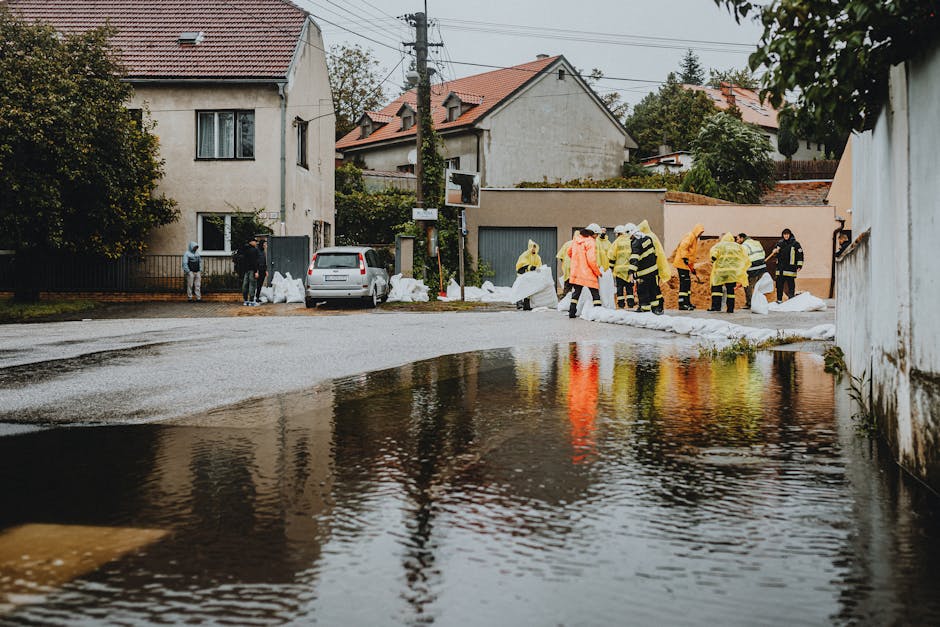
One thing people sometimes overlook is timing. If an incident happens late in the day, you may still be able to arrange urgent removal rather than waiting until the next morning. Even a short response window can make a huge difference, especially if smells, water, or security concerns are involved. To be fair, a bit of prompt action often saves a lot of stress later.
If you want more reassurance on handling and site safety, our insurance and safety page explains the care and precautions expected on a professional job.
Common Mistakes to Avoid
When people are under pressure, small mistakes become very understandable. Still, a few of them can create extra cost, delay, or risk. Knowing them ahead of time helps.
- Throwing away evidence too quickly: after a break-in, keep anything relevant for police, insurers, or repair quotes until you know it is no longer needed.
- Assuming all wet items are salvageable: some materials dry out fine, others do not. Soft furnishings and chipboard, for example, can be a lot less forgiving than people expect.
- Ignoring hidden damage: what looks like a simple mess may hide damp behind furniture or inside cupboards.
- Using general household waste collections for emergency debris: bulky or damaged items usually need a specialist clearance approach.
- Not mentioning access limits: a van cannot magically bend round a narrow mews entrance. Well, not yet.
- Choosing only on price: the cheapest option is not always the best if you need careful handling, fast arrival, or responsible sorting.
Another common slip is underestimating the emotional toll. After a break-in, people often say, "I thought I could just deal with it myself." Sometimes that is true. Sometimes it is a false start that leaves the room untouched for another three days. If you feel stuck, that is normal. Really.
Tools, Resources and Recommendations
You do not need a van-load of equipment to get started, but a few tools and documents help a lot. The right setup depends on whether you are clearing flood damage, break-in debris, or a mixture of both.
| Need | Useful tool or resource | Why it helps |
|---|---|---|
| Documenting damage | Phone camera and simple notes | Helps with insurance, landlord updates, and repair planning |
| Separating items | Boxes, labels, sacks, and tape | Keeps valuables, salvageable goods, and waste apart |
| Safe handling | Gloves, sturdy shoes, and protective coverings | Reduces the risk of cuts, slips, and contamination |
| Access planning | Quick sketch or written note about entrances, stairs, and parking | Speeds up the clearance and avoids delays |
| Next-step planning | Contact details for cleaners, repairers, or agents | Makes the transition from clearance to recovery much smoother |
In a residential emergency, a basic checklist on paper is often more useful than a complicated plan on a phone you are too frazzled to navigate. Keep things plain. If the property is part of a wider move or reset, it may help to look at broader support pages such as about us for company background or pricing and quotes when you need a quick understanding of the likely costs and quote process.
Law, Compliance, Standards, or Best Practice
Emergency rubbish removal should still follow normal UK waste handling expectations. In plain English, that means waste needs to be collected, transported, and disposed of responsibly, with attention to safety and environmental practice. If the waste includes damaged domestic items, flood debris, or mixed materials from a break-in, sorting matters. A competent provider should know what can be reused, recycled, or sent for proper disposal.
It is also worth being cautious with anything that might be contaminated by floodwater or affected by sharp objects. If there is visible mould, chemical contamination, or electrical damage, do not handle it casually. Let the team know in advance so they can treat it appropriately. Best practice is to protect people first, then the property, then the paperwork. That order tends to work best, every time.
For business premises, there may be extra internal procedures too: incident reporting, access control, landlord notification, and insurer documentation. If you are managing a workplace or commercial unit in Pimlico, keep a clear chain of updates so nobody is guessing who approved what. Small thing, but it saves hassle. For responsible disposal principles and what happens after collection, see our recycling and sustainability page.
One more practical point: if a break-in has compromised security, waste removal should be coordinated with any temporary boarding-up or repair work. You do not want a team arriving to remove debris while another trade is trying to secure the entrance. That sort of overlap can be chaotic in a very London kind of way.
Options, Methods, or Comparison Table
People often wonder whether they need a same-day emergency clearance, a scheduled next-day visit, or a partial DIY tidy before the professionals arrive. The right choice depends on safety, urgency, and the amount of waste involved.
| Option | Best for | Pros | Trade-offs |
|---|---|---|---|
| Same-day emergency removal | Flooded rooms, break-in debris, urgent access needs | Fast, reduces risk, gets work moving | May require immediate availability and clear access |
| Next-day planned clearance | Less urgent damage, or when you need time to document items | More time to sort valuables and prepare the site | Delay may increase damp, odour, or security concerns |
| Partial DIY sorting before collection | Light debris, easy access, safe conditions | Can save time and help organise salvage | Not suitable for hazardous or heavy damaged waste |
| Full clearance with follow-up cleaning | Major incidents and heavily affected rooms | More complete reset of the property | Usually needs coordination with other trades |
In practice, many Pimlico customers choose a hybrid approach: they secure valuables, take photos, then book an urgent removal for the waste they cannot safely deal with themselves. That is often the neatest balance of speed and caution.
Case Study or Real-World Example
Here is a realistic example based on the kind of callouts this service is designed for. A small basement flat near central Pimlico took on floodwater after heavy rain, leaving a sofa, a rug, several cardboard storage boxes, and a low cabinet badly damaged. The occupants had already pulled out valuables and taken photos, but the space still smelled damp and the room was not safe to use.
The first job was to identify what could be kept and what had to go. The team then cleared the ruined items carefully, because the access involved a narrow stair and a slightly awkward turn at the bottom. Nothing dramatic, just one of those London staircases that reminds you why furniture never seems to fit where it needs to go. Once the waste was removed, the room could be inspected properly and drying work could begin.
The outcome was not just a cleaner room. It was a quicker repair schedule, less risk of mould spreading, and less stress for the people living there. The interesting part? The difference between a messy few days and a much longer disruption often comes down to acting early and not trying to "see how it goes" for too long. That phrase has caused more trouble than it should.
This kind of real-world response can also be useful after theft-related damage to storage areas, shared entryways, or small offices. If you are comparing service options for a wider property clean-up, the quick rubbish pickup on Charlwood Street article offers a helpful local example of fast response in the area.
Practical Checklist
Use this checklist if you need to act quickly. It is intentionally plain. No fluff.
- Make the area safe to enter.
- Switch off or avoid affected electrics if there is water nearby.
- Photograph the damage before anything is moved.
- Set aside valuables, documents, and items needed for evidence or claims.
- Separate salvageable items from rubbish.
- Note access issues such as stairs, parking, or lift restrictions.
- Tell the removal team about water damage, glass, or sharp materials.
- Ask whether the waste will be sorted for recycling where appropriate.
- Check the cleared area before the team leaves.
- Arrange the next stage: cleaning, drying, repairs, or insurance follow-up.
Practical summary: The best emergency clearance is calm, careful, and quick enough to stop the problem getting worse. If you can document, separate, and clear in that order, you are already ahead.
Conclusion
Floods and break-ins are unsettling for different reasons, but the aftermath often looks similar: damage, clutter, uncertainty, and a property that no longer feels properly yours. Emergency rubbish removal helps cut through that chaos. It gets unsafe waste out, creates space for repairs, and makes the next decision easier. In a place like Pimlico, where access can be tight and time can matter, that kind of support is genuinely valuable.
Whether you are dealing with soaked furniture, broken fixtures, glass, packaging, or the sort of debris that appears after a very unwelcome visit, the main aim is the same: clear the danger, protect the property, and move on to recovery with as little extra stress as possible. If you are planning the next step, the broader support pages on service options and payment and security may help you feel more confident before booking.
Get a free quote today and see how much you can save.
And if this is your situation right now, take a breath. One careful step at a time is enough.



 Tipper Van - Waste Disposal and Rubbish Removal Prices in Pimlico, SW1
 Luton Van - Waste Disposal and Rubbish Removal Prices in Pimlico, SW1