






Estate Clearances for Churchill Gardens, Pimlico
Posted on 15/09/2026
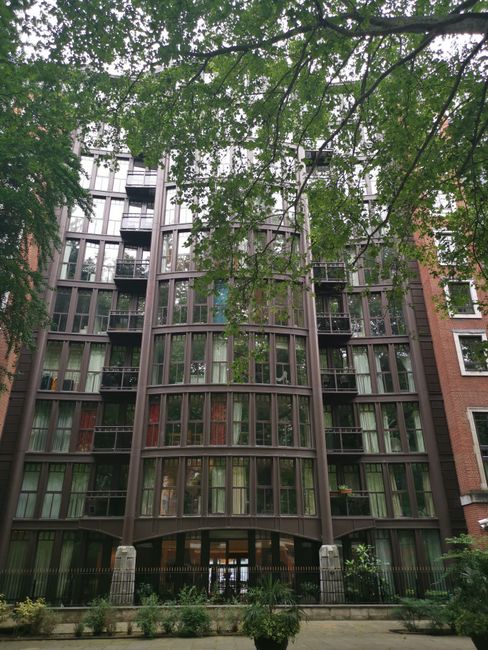
Sorting out an estate clearance is rarely just about "getting rid of stuff". In Churchill Gardens, Pimlico, it often sits at the intersection of time pressure, family decisions, building access, neighbour considerations, and a fair bit of emotion too. One minute you are dealing with furniture and paperwork; the next, you are wondering what to keep, what to recycle, and how to do the whole thing without turning the flat into a logistical headache.
This guide to Estate Clearances for Churchill Gardens, Pimlico is written to help you make sense of it properly. You will find a plain-English explanation of how estate clearances work, what to expect in a local London setting, how to avoid common mistakes, and how to choose the right approach for your situation. If you are dealing with a bereavement, a tenancy ending, a downsizing move, or a property that simply needs clearing before sale or refurbishment, this should give you a solid, practical starting point.
And yes, there is a lot to think about. But once the steps are clear, the job becomes much more manageable.
Why Estate Clearances for Churchill Gardens, Pimlico Matters
Churchill Gardens has its own rhythm. It is a well-known Pimlico estate with a mix of flats, shared entrances, lift access in some blocks, stairwells in others, and the usual London realities: tight parking, limited loading space, and neighbours who quite rightly expect common areas to stay tidy. That makes estate clearance a little more involved than simply hiring a van and filling it up. It is about organising the work so it happens cleanly, safely, and with minimum disruption.
Estate clearance matters because it protects both the property and your peace of mind. A flat left half-cleared can delay a sale, complicate a tenancy handover, or make a difficult personal situation drag on longer than it should. It can also create avoidable issues around access, waste handling, and storage of items that need to be assessed before removal.
In practical terms, a good clearance gives you a clean slate. That could mean preparing a Churchill Gardens flat for sale, making a rental ready for new occupants, or clearing a home after a family member has moved into care. Sometimes the emotional side is the hardest part. To be fair, standing in a room full of old furniture and paperwork can feel a bit like being hit by memory from every angle. That is normal.
There is also a local property angle. Pimlico homes can move quickly when presented well, and a cluttered or poorly managed clearance can slow things down. If you are a homeowner, executor, landlord, or letting agent, a tidy and well-organised clearance often pays for itself in reduced stress and faster turnaround.
How Estate Clearances for Churchill Gardens, Pimlico Works
At its simplest, an estate clearance is the structured removal of unwanted items from a property. But the best clearances are not just about lifting and loading. They involve sorting, deciding, segregating recyclable items, identifying anything valuable or sensitive, and handling disposal responsibly.
The process usually starts with an assessment. A clearance team or organiser looks at the size of the property, the contents, access conditions, and whether there are any special items such as white goods, books, clothing, or potentially hazardous materials. From there, the work can be planned in stages. In a flat at Churchill Gardens, that might mean checking lift access, booking the best time for loading, and protecting communal areas from damage.
Most estate clearances follow a pattern like this:
- Initial survey or photos to estimate volume and access.
- Identification of items to keep, donate, recycle, or dispose of.
- Safe removal of furniture, bags, appliances, and general contents.
- Sorting of reusable materials where possible.
- Final sweep of the property so it is left ready for the next stage.
Some clearances are straightforward. Others, not so much. A property that contains paperwork, mixed storage, or awkward stair access can take longer than expected. You may also need to allow extra time if family members want to review items before they are taken away. That part can be slow, but it is often worth doing carefully rather than rushing and regretting it later.
In our experience, the most successful clearances are the ones where decisions are made before the van arrives. Even a rough "keep / donate / clear" plan will save a surprising amount of time.
Key Benefits and Practical Advantages
A well-managed estate clearance does more than empty a room. It creates order at a moment when things may feel anything but orderly. Here are the main benefits people usually notice first.
- Less stress: You avoid trying to manage bags, furniture, and disposal arrangements all at once.
- Faster property turnaround: A cleared property is easier to photograph, sell, rent, clean, or refurbish.
- Better use of space: You can assess what is actually there and make informed decisions.
- Improved safety: Clear pathways reduce trip hazards and make working inside the property easier.
- More responsible disposal: Items can be separated for reuse or recycling rather than dumped in one go.
- Less neighbour friction: In a place like Churchill Gardens, neat timing and tidy loading matter. A lot.
There is also a quieter benefit that people sometimes underestimate: closure. When belongings are carefully sorted and the property is left in good shape, it can make the next step feel possible. Not easy, perhaps, but possible.
Expert summary: The best estate clearances balance speed, care, and responsibility. In Pimlico, that usually means planning access properly, protecting shared areas, and giving items a final look before removal so nothing important is lost by accident.
Who This Is For and When It Makes Sense
Estate clearances are not only for bereavement situations, although that is one of the most common reasons. They are useful whenever a property needs to be emptied with more care than a standard rubbish removal job would provide.
This may be the right service if you are:
- an executor managing a loved one's estate;
- a family member helping clear a relative's home;
- a landlord preparing a flat between tenancies;
- a homeowner downsizing from a larger property;
- an agent or solicitor supporting a sale timeline;
- someone clearing a home after a long period of storage or neglect.
It also makes sense when the contents are emotionally or practically complex. For example, perhaps the flat contains a mix of old paperwork, furniture that needs dismantling, and a few items that might have resale or donation value. Or maybe you are dealing with a relatively small estate, but access is awkward and time is tight. Both scenarios benefit from proper planning.
One common misconception is that an estate clearance always means everything is removed. Not quite. Often, the real job is to help decide what should leave and what should stay. That distinction matters, especially when family members or legal representatives need to confirm what happens to specific possessions.
Step-by-Step Guidance
If you want the process to go smoothly, a clear sequence helps. The steps below are simple, but they save a lot of backtracking.
1. Start with a basic inventory
Walk through the property and make a rough note of the main contents. You do not need a museum catalogue. Just list the large items, boxes, documents, and anything obviously delicate, valuable, or sentimental.
2. Separate the "must keep" items first
Before anyone starts lifting furniture, identify the items that absolutely must remain. This usually includes passports, keys, medication, financial paperwork, jewellery, photographs, and personal documents. It sounds obvious, but in the middle of a busy clear-out, obvious things have a habit of disappearing into the wrong pile.
3. Decide what can be reused or donated
Good estate clearances are often part-clearance, part-recovery. Books, kitchenware, decent furniture, and clothing may be reusable if they are in suitable condition. Thinking this through early can reduce waste and avoid unnecessary disposal costs.
4. Check access and building rules
For Churchill Gardens, this step matters. Consider lift size, stair access, loading distance, parking, and whether communal areas need extra protection. A small delay at the front door can ripple through the whole job.
5. Choose the right clearance method
You might use a specialist estate clearance team, a general rubbish removal service, or a combination of both. The right choice depends on the volume, the sensitivity of the contents, and the time you have available.
6. Carry out the clearance in an orderly sequence
Large items usually come out first, then bags and smaller items, then a final sweep for overlooked belongings. If there are rooms with mixed storage, do them one at a time. It keeps decision-making manageable, and frankly, it stops the work from feeling endless.
7. Finish with a final check
Before signing off, inspect cupboards, loft spaces, behind doors, and under beds. Those are the places where forgotten items tend to hide. You know the sort of thing - one small envelope turns up at the back of a drawer and suddenly the whole room needs a second look.
Expert Tips for Better Results
There are a few habits that consistently improve outcomes, especially in a busy London setting.
- Photograph important rooms before you start. It helps if anyone later needs a record of what was there.
- Work room by room. This reduces confusion and makes decisions less overwhelming.
- Use coloured bags or labels. A simple system for keep, donate, recycle, and remove prevents mistakes.
- Keep one "review" box. If you are unsure about something, place it there rather than making a rushed decision.
- Plan for parking and timing. In Churchill Gardens, quiet loading and considerate scheduling can make the whole experience much smoother.
- Ask about recycling and reuse. A thoughtful clearance should not treat every item the same way.
If you are coordinating relatives, do one thing. Agree who has final say on disputed items. That avoids a lot of awkward phone calls and, yes, the occasional family debate that starts over a lamp and ends somewhere far more dramatic.
Another useful habit is to set a deadline for decisions. It sounds a little hard-edged, but it helps. Otherwise, a simple clearance can drift for weeks because nobody wants to be the person who says what happens to the old sideboard.

Common Mistakes to Avoid
The biggest clearance mistakes are usually not dramatic. They are small, sensible-sounding errors that add stress later.
- Starting without a plan: A flat full of mixed belongings becomes chaos very quickly.
- Throwing everything into one pile: This makes it harder to save important items or reuse anything decent.
- Ignoring access issues: A lift booking or parking restriction can make or break the schedule.
- Underestimating emotional strain: People often think they will feel practical, then find the process more difficult than expected.
- Forgetting hazardous or awkward materials: Items like batteries, chemicals, and some appliances may need extra care.
- Choosing solely on price: Cheap is not always cheap if the job is rushed, incomplete, or badly handled.
One particularly common error is leaving too many decisions until the last minute. It feels efficient at first, but it usually leads to hesitation, double handling, and extra cost. Truth be told, clearances reward decisiveness.
Tools, Resources and Recommendations
You do not need a lot of fancy equipment for an estate clearance, but the right basics make life easier.
- Strong boxes and bags: Useful for paperwork, smaller household items, and donations.
- Labels or tape: For marking keep, remove, recycle, or review.
- Basic protective materials: Dust sheets or covers help protect floors and communal areas.
- Gloves and sturdy footwear: Simple, sensible, and worth it.
- Notebook or phone notes: Handy for logging items that need to be checked later.
- Photos for records: Especially useful where there is shared family decision-making or an estate being administered.
If you are comparing services, it helps to look beyond the headline promise. A reliable provider should be able to explain how they handle access, sorting, disposal, recycling, and the safe management of bulky or sensitive items. If they cannot explain the process clearly, that is a useful warning sign. Mildly annoying, yes. Useful, also yes.
For readers who want broader background on related services, the services overview gives a useful starting point, while the page on house clearance in Pimlico is helpful if you are comparing estate clearance with a more general property clearance approach. You can also review the company's notes on recycling and sustainability if you want to understand how reusable items and waste streams are handled.
Law, Compliance, Standards, or Best Practice
Estate clearances can touch on legal and practical responsibilities, especially where a property is being managed after a death, a tenancy, or a formal move-out. This is an area where careful handling matters more than assumptions.
In the UK, waste must be disposed of responsibly, and anyone arranging removal should be confident that materials are not being fly-tipped or handled carelessly. If a provider is taking waste away, it is sensible to ask how they manage disposal and whether they follow standard waste-handling practice. You do not need to become an expert in waste law overnight. You do, however, want to avoid ending up with a problem you did not intend to create.
There are also privacy considerations. Estate clearances often involve personal paperwork, letters, bank statements, and digital devices. Those items should be separated and treated with care before anything leaves the property. A paper shredder or secure disposal method can be useful for sensitive documents.
Health and safety also come into play. Heavy lifting, blocked corridors, damaged furniture, sharp edges, and dusty rooms can all create avoidable risks. Good practice means using the right equipment, working in a sensible order, and not overloading bags or lifting awkward items unsafely.
If you want to understand how a provider thinks about risk and protection, the page on insurance and safety is worth a look. It can help you judge whether a clearance service is set up to work responsibly rather than just quickly.
And a small but important note: if there is anything potentially hazardous, such as chemicals, damaged electronics, or unfamiliar materials, it should be identified early. Do not just "see what happens". That is rarely a good strategy. Not for estates, not for lofts, not for life.
Options, Methods, or Comparison Table
There is no single right way to handle an estate clearance. The best method depends on time, contents, access, and how much control you want over the process.
| Approach | Best For | Advantages | Trade-offs |
|---|---|---|---|
| Full specialist estate clearance | Bereavement, full-property clear-outs, complex contents | Structured, efficient, less stress, better sorting | May cost more than a basic removal |
| Partial clearance with family sorting first | Situations where valuables or keepsakes need review | More control, sentimental items protected | Can take longer and needs coordination |
| General rubbish removal | Smaller clearances or non-sensitive waste | Quick, simple, flexible | Less suited to mixed contents or careful sorting |
| DIY clearance | Small volumes and plenty of time | Lower direct cost, full control | Time-consuming, physically demanding, disposal can be tricky |
For a flat in Churchill Gardens, a specialist or semi-specialist approach is often the most practical if the property contains a full household's worth of belongings. If it is just a few bulky items and some bagged waste, a simpler option may be enough. The key is matching the method to the actual job, not the imagined one.
If you are weighing up disposal routes, the page on skip hire versus rubbish removal in Pimlico is a useful comparison point, especially if you are deciding whether you need flexible loading or a more fixed disposal setup.

Case Study or Real-World Example
Imagine a typical Churchill Gardens flat: two bedrooms, a living room, a kitchen, and a small storage cupboard packed with mixed household items. The family wants the property cleared before valuation, but they also need to keep documents, photographs, and a few pieces of furniture. Access is through a communal entrance, and parking is tight. Not unusual, really.
The first move is to identify what must be kept. The second is to photograph the rooms and mark a clear "review" area for anything uncertain. On the day itself, the large items come out first, followed by smaller bagged contents. Reusable items are separated where possible, and anything unsuitable for reuse is handled through proper disposal routes. The final result is a property that can be cleaned, measured, and prepared for whatever comes next.
What makes this example typical is not the size of the job, but the emotional and practical mix. The family is dealing with decisions, time pressure, and the awkwardness of shared spaces. Once the plan is clear, the job becomes much more manageable. You can almost feel the relief when the last room is checked and the keys are finally handed back.
If the property has been empty for some time or needs urgent attention, a quick turnaround can help. A page like same-day quote for rubbish in Pimlico may be useful if speed matters and you are trying to line up the next steps without delay.
Practical Checklist
Use this checklist before the clearance begins. It keeps the process grounded and stops small details from becoming big ones later.
- Confirm who has authority to approve the clearance.
- Identify and remove essential documents, keys, medication, and valuables.
- Walk through the property and note large items, fragile items, and anything unusual.
- Decide what should be kept, donated, recycled, or removed.
- Check access, parking, lift use, and any building restrictions.
- Set aside items requiring special handling.
- Choose the most suitable clearance method for the volume and sensitivity of the contents.
- Take photos if records may be needed later.
- Protect floors and communal areas where needed.
- Carry out a final room-by-room check before finishing.
Practical takeaway: If you can reduce the number of decisions left for the day of the clearance, the whole job gets easier. Much easier, actually.
Conclusion
Estate clearances for Churchill Gardens, Pimlico are most successful when they are treated as a careful process rather than a race. The right plan protects valuables, reduces stress, respects neighbours, and helps the property move on cleanly to its next stage. Whether you are dealing with a bereavement, a move, or a property reset, a structured clearance gives you something valuable in return: breathing room.
Keep the process simple. Sort what matters. Check access. Handle disposal responsibly. And do not underestimate how much easier it feels once the first room is done. That first cleared room can change the whole mood of the day.
If you are ready to move forward, choose an approach that fits the property, the contents, and the people involved. A calm, well-run clearance is never just about empty space; it is about making the next step feel manageable.
Get a free quote today and see how much you can save.