






Rubbish Drop-Off Near Tate Britain, Pimlico
Posted on 26/05/2026
Rubbish Drop-Off Near Tate Britain, Pimlico: A Practical Local Guide for Quick, Responsible Waste Disposal
If you're searching for Rubbish Drop-Off Near Tate Britain, Pimlico, you're probably dealing with a very ordinary but slightly annoying problem: a pile of waste that needs moving now, not "sometime next week". Maybe it's packing waste from a flat clear-out, a few broken bits after a DIY job, or the usual collection of cardboard, old furniture, and bags that quietly multiply in the corner. Happens to the best of us.
The good news is that in and around Tate Britain and Pimlico, you do have practical options. The trick is choosing the right one for your rubbish type, timing, building access, and budget. This guide explains how local rubbish drop-off and waste removal works, what to watch for, and how to make the process clean, legal, and as painless as possible. We'll also cover nearby service options, common mistakes, and a few local realities that matter more than people expect.
If you want a broader overview of available support, you can also browse the services overview or the main rubbish removal in Pimlico page for related collection and clearance options.
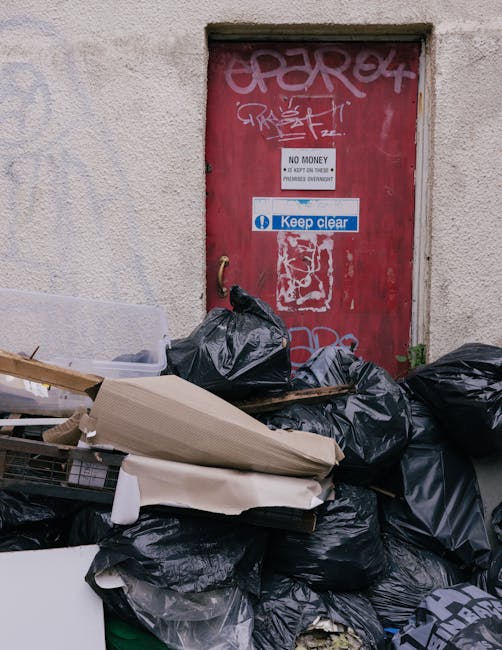
Why Rubbish Drop-Off Near Tate Britain, Pimlico Matters
Tate Britain sits in one of central London's busiest and most spatially constrained neighbourhoods. That matters because rubbish isn't just a "leave it outside" problem here. Tight streets, shared entrances, timed access, permit concerns, and neighbour sensitivities all change what "easy disposal" actually looks like.
For residents, landlords, offices, event organisers, and tradespeople working nearby, local waste handling affects more than tidiness. It can affect safety, appearance, tenancy handover, project timelines, and how smoothly people move in and out of the building. In a place like Pimlico, where a lot of properties are managed carefully and buildings often have narrow access points, the wrong disposal choice can become a headache very quickly.
There's also the simple truth that waste left waiting around tends to create more mess, not less. A broken wardrobe in a hallway, wet garden clippings on a balcony, or bags stacked beside the bin store will start to smell, spill, or attract attention. Not ideal, especially if you're hosting guests or trying to keep a flat looking presentable. If you know Pimlico well, you'll know the area has a polished but lived-in feel; that balance only works when waste is handled properly.
For readers who want to understand the local context better, it may help to explore local views on life in Pimlico or the more reflective piece on what makes Pimlico such a distinctive London neighbourhood. They give a good sense of why keeping streets and buildings in order matters here.
How Rubbish Drop-Off Near Tate Britain, Pimlico Works
"Drop-off" can mean a few different things in practice. Some people mean taking waste to an approved facility themselves. Others use a local collection service that handles the lifting, loading, and responsible disposal for them. Around Tate Britain and Pimlico, both approaches can work, but they suit different situations.
At a basic level, the process is straightforward:
- identify what type of waste you have
- separate recyclable, reusable, and general rubbish where possible
- check whether anything needs special handling
- choose a disposal method that fits the volume and urgency
- make sure the waste ends up somewhere legitimate and traceable
If you're hiring a professional clearance team, they'll usually assess the load, quote based on volume or type, and remove the items from your property. That is often the simplest route when you're dealing with bulky items, awkward stairs, or a strict timeframe. If you're dealing with a very small amount of clean, segregated waste, self-drop-off may feel more efficient, provided you've got the transport and know exactly where you're going.
In real life, the decision often comes down to time and access. A landlord clearing a flat before new tenants arrive may want a same-day solution. A homeowner with a car full of garden waste may prefer to load up and go. A small office might need someone to come after hours so staff aren't tripping over boxes at 9 a.m. Different problems, different fix. Simple, really.
For more specialised needs, nearby service pages such as house clearance in Pimlico, office clearance, and builders waste disposal can be much more relevant than a generic one-size-fits-all solution.
Key Benefits and Practical Advantages
There are a few very practical reasons people choose a local rubbish drop-off or removal solution near Tate Britain rather than trying to sort everything themselves.
1. Faster clearance. If you're working to a deadline, speed matters. It's a lot easier to move on with the day when the waste is gone and the space is usable again.
2. Less physical strain. Carrying sacks, old furniture, or renovation offcuts down stairs and through shared hallways is no fun. And yes, your back will notice. A good service removes that burden.
3. Better handling of mixed waste. Not all waste is the same. Wood, metal, green waste, cardboard, and general household rubbish may need different sorting pathways. Good handling improves the chance of proper recycling.
4. Cleaner buildings and shared areas. In apartment blocks and mansion flats, leaving waste in common areas can create friction fast. A tidy clearance avoids complaints and keeps things calm.
5. More confidence on compliance. Using a legitimate waste route reduces the risk of fly-tipping or handing waste to someone who cuts corners. That's worth paying attention to, truth be told.
6. Better presentation for property handovers. Whether it's an end-of-tenancy clear-out, a sale, or a renovation finish, a clutter-free space simply photographs and presents better.
There's also a sustainability angle. If you care about waste reduction, choosing a provider with a clear recycling approach can make a meaningful difference. You can read more about the company's approach on recycling and sustainability, which is especially relevant if you're trying to keep recyclable material out of landfill where possible.
Who This Is For and When It Makes Sense
This topic matters to more people than you might first think. It is not just for people doing a full house clear-out. In fact, most local waste jobs are smaller and more ordinary than that.
You may need rubbish drop-off or collection near Tate Britain if you are:
- a tenant moving out and dealing with leftover furniture, broken items, or bin-bag overflow
- a landlord preparing a flat for viewings or a new tenancy
- a homeowner finishing a DIY project
- a business owner clearing office clutter, packaging, or old equipment
- a builder or decorator with site waste to remove
- a gardener dealing with cuttings, branches, soil, or patio debris
- an event organiser dealing with post-event waste and broken-down materials
It also makes sense when the job is awkward rather than large. One heavy sofa can be harder to manage than six bags of general rubbish, because of the stairs, corners, and lifting involved. Same goes for a wardrobe that looked manageable until you reached the second landing. That moment tends to humble everyone.
If you're planning a gathering or private function nearby, waste build-up can arrive faster than expected. For anyone juggling venue prep and cleanup, the local article on notable party venues in Pimlico offers useful nearby context for planning logistics before and after an event.
Step-by-Step Guidance
Here's a practical way to handle rubbish drop-off or collection near Tate Britain without overcomplicating it.
- Sort the waste by type. Separate general waste, cardboard, wood, metal, green waste, and anything that might need special handling.
- Identify bulky or awkward items. Sofas, beds, wardrobes, desks, and broken appliances usually change the logistics quite a bit.
- Check access. Is there a lift? A narrow staircase? Parking restrictions? Shared entry codes? These details matter more than people expect.
- Decide whether self-drop-off or collection is better. If you have a vehicle, time, and a manageable load, self-drop-off may work. If not, collection is usually simpler.
- Ask about recycling and disposal routes. A responsible provider should be able to explain how items are sorted and where they go.
- Confirm what is and isn't accepted. Some materials need special treatment, so don't assume everything can go in one load.
- Book a time that fits your building and neighbours. Mid-morning or early afternoon often works better than awkward rush-hour windows.
- Prepare the items for removal. Break down flat-pack furniture where possible, bag loose waste, and keep access paths clear.
- Keep records if you need them. For landlords, businesses, or builders, a receipt or job record can be useful for your own files.
A small but useful detail: put anything you definitely want to keep far away from the work area before collection day. The number of accidental "almost-thrown-away" items is, frankly, a bit embarrassing. Keys, chargers, paperwork, children's school projects - all classic near-misses.
Expert Tips for Better Results
If you want the whole process to run smoothly, a few habits make a real difference.
Keep waste dry where possible. Wet cardboard, soggy textiles, and soaked garden waste are heavier, messier, and harder to sort. If the weather turns, cover the pile before collection or transport.
Separate recyclables early. Clean cardboard, metal, and some plastics are often easier to recycle when they haven't been mixed with food residue or general rubbish.
Photograph large loads before booking. It helps when describing the job and reduces surprises. A quick picture in daylight is often better than a long explanation over the phone.
Use a service that understands local access. Narrow streets, loading restrictions, and communal entrances can be a real issue in Pimlico. Local experience tends to save time.
Think in terms of finish, not just removal. If you're clearing a property for sale or letting, you may also need light tidying, floor sweeping, or responsible removal of leftover oddments. Those little bits make the difference.
Ask about waste handling standards. A trustworthy provider should be happy to explain their processes. That kind of transparency usually says a lot.
"The best waste job is the one that disappears cleanly, quietly, and without creating a second problem somewhere else."
That may sound obvious, but it's surprisingly easy to overlook when you're in a rush.
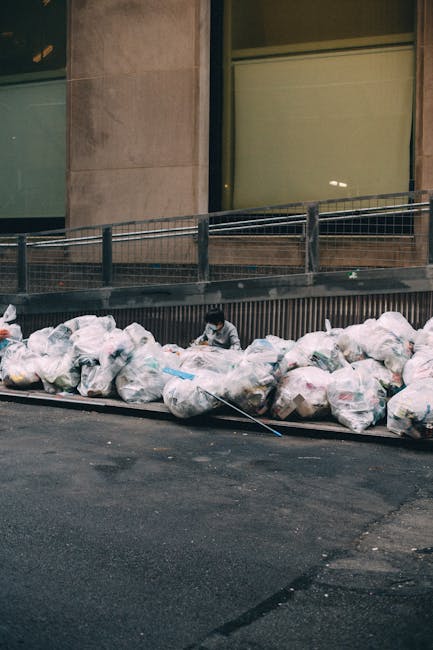
Common Mistakes to Avoid
Most waste problems around local drop-off and clearance come from a few avoidable mistakes.
- Mixing everything together. Mixed waste can make recycling harder and may increase the cost or complexity of disposal.
- Leaving booking too late. If you need removal before a key date, don't leave it until the last minute. Access and availability are easier to manage with a little notice.
- Ignoring item restrictions. Not every item can go in a normal waste stream. Batteries, liquids, and some electrical items need careful handling.
- Underestimating access issues. A service can only work efficiently if it knows about stairs, parking, loading points, and entry restrictions.
- Choosing purely on price. Cheap is not always cheerful. If a quote looks unusually low, check what's included and how the waste is handled.
- Forgetting about neighbours or building rules. In shared buildings, a little coordination goes a long way.
One thing people often forget: a job can look small and still be awkward. A handful of bulky items in a top-floor flat can take more time than a room full of bagged waste on the ground floor. The details matter.
Tools, Resources and Recommendations
You do not need a lot of special equipment for a typical rubbish drop-off or local collection job, but a few simple tools can make things easier.
- Sturdy bin bags or rubble sacks for loose waste
- Box cutter or screwdriver for breaking down flat-pack furniture
- Work gloves for safer handling of sharp or dusty materials
- Tape and string to secure loose cardboard or bundled items
- Protective sheets or dust covers for hallways and lifts
- Phone camera to document loads or take before-and-after pictures
For service planning, the company's pricing and quotes page can help you understand how estimates are usually framed. If you need reassurance around payment handling, the payment and security page is also a sensible read.
If your job is tied to a property project, you may also find it useful to look at the more focused waste clearance in Pimlico page, which sits nicely between general rubbish removal and more specialised trade or household services.
Law, Compliance, Standards, or Best Practice
Waste disposal in the UK is one of those things where best practice really matters. You don't need to become a legal expert to deal with your rubbish, but you should know the basics: your waste should go to a legitimate, properly managed destination, and anyone handling it should be able to explain what happens next.
For householders, the main concern is using a lawful disposal route and avoiding fly-tipping. For businesses, landlords, and contractors, the bar is a little higher because record-keeping, duty-of-care expectations, and site responsibility tend to be more relevant. If you are clearing commercial waste or builders' debris, it is sensible to ask the provider how they manage transfer and recycling practices.
Best practice usually includes:
- clear identification of waste type
- safe loading and transport
- separation of recyclable material where practical
- careful handling of restricted or hazardous items
- transparent pricing and job confirmation
- use of a service that can explain its disposal route without hesitation
If safety is a concern, especially on busy streets or in shared buildings, take a look at the company's insurance and safety information. That kind of page is worth reading before any load moves a single metre.
There's also a wider responsibility angle. Responsible waste services aim to reduce avoidable landfill use, avoid unsafe handling, and keep work sites and homes tidy while the job is underway. That's not just "good service". It's basic professionalism.
Options, Methods, or Comparison Table
If you're deciding how to handle waste near Tate Britain, the simplest comparison is between self-drop-off, scheduled collection, and full clearance. Each has its place.
| Option | Best for | Advantages | Watch-outs |
|---|---|---|---|
| Self-drop-off | Small loads, transport available, flexible timing | Can be cost-effective, useful for sorted waste, straightforward if you know the route | Requires lifting, driving, parking, and your own time |
| Local rubbish collection | Bulky items, mixed waste, limited time | Quick, convenient, less physical effort, good for homes and offices | Needs clear access and a reliable booking time |
| Full house or office clearance | Large volumes, end-of-tenancy, moves, refurbishments | Most comprehensive, saves time, ideal for awkward jobs | May cost more than a small collection, so only use it when the scale justifies it |
For most people in Pimlico, the decision is not about what is theoretically cheapest. It's about which option saves the most time without creating avoidable hassle. A tidy solution is often the cheapest in practice, even if the headline price looks a bit higher at first glance.
Case Study or Real-World Example
Picture a small flat just off the Tate Britain area after a quick refurbishment. Nothing dramatic - a couple of old units, cardboard packaging, some timber offcuts, and a dusty bag of mixed bits from the spare room. The owner originally planned to do it all alone over a weekend.
By Saturday morning, the reality had changed. The cardboard was bigger than expected, the timber was awkward to carry, and the lift was out of service. Classic. Rather than dragging half the flat down the stairs in multiple trips, the owner chose a local collection arranged through a wider services page, with waste separated beforehand and access explained in advance.
The result was simple: less time on site, less disruption to neighbours, and a cleaner handover by the end of the day. The key point wasn't dramatic savings or a miracle fix. It was that the waste job matched the situation. That is usually how the best outcomes happen, to be fair - not by doing something clever, but by doing the right thing for the space and the load.
That same approach often works for garden clean-ups too. If your rubbish is mostly green waste, the dedicated garden waste removal in Pimlico service may suit you better than a general mixed-load clearance.
Practical Checklist
Use this quick checklist before you book or travel with waste:
- Have you identified the waste type correctly?
- Are any items broken down or bagged securely?
- Do you know whether the load contains recyclables, general waste, or restricted items?
- Have you checked access, parking, stairs, and lift availability?
- Have you chosen the right disposal method for the size of the job?
- Do you know whether you need a same-day or scheduled booking?
- Have you kept anything valuable or personal out of the pile?
- Are you comfortable with how the waste will be handled after collection?
- Do you need documentation for a landlord, builder, or business record?
- Have you confirmed the cost basis before you proceed?
Expert summary: the best rubbish drop-off or collection plan near Tate Britain is the one that matches your waste type, your access, and your deadline. If you get those three things right, the rest becomes much easier.
Conclusion
Finding a sensible solution for rubbish drop-off near Tate Britain, Pimlico is really about making a practical decision with as little friction as possible. Once you know what you're dealing with - a few bags, a bulky item, builders' waste, or a full clearance - the right route becomes clearer. And in a neighbourhood like this, clarity is a gift.
Keep it simple: sort what you can, avoid unsafe or unlawful dumping, choose a service or drop-off route that fits the job, and ask the questions that matter before the waste starts moving. That way, you're not just getting rid of rubbish. You're protecting your time, your property, and, honestly, your peace of mind.
If you're comparing options or want help with a larger clearance, it's worth reviewing the local service details and getting everything lined up before the pressure is on.
Get a free quote today and see how much you can save.
And if you do it right, the whole thing fades into the background - which is exactly how rubbish removal should feel.