






Skip Hire vs Rubbish Removal in Pimlico: Cost Comparison
Posted on 15/08/2026
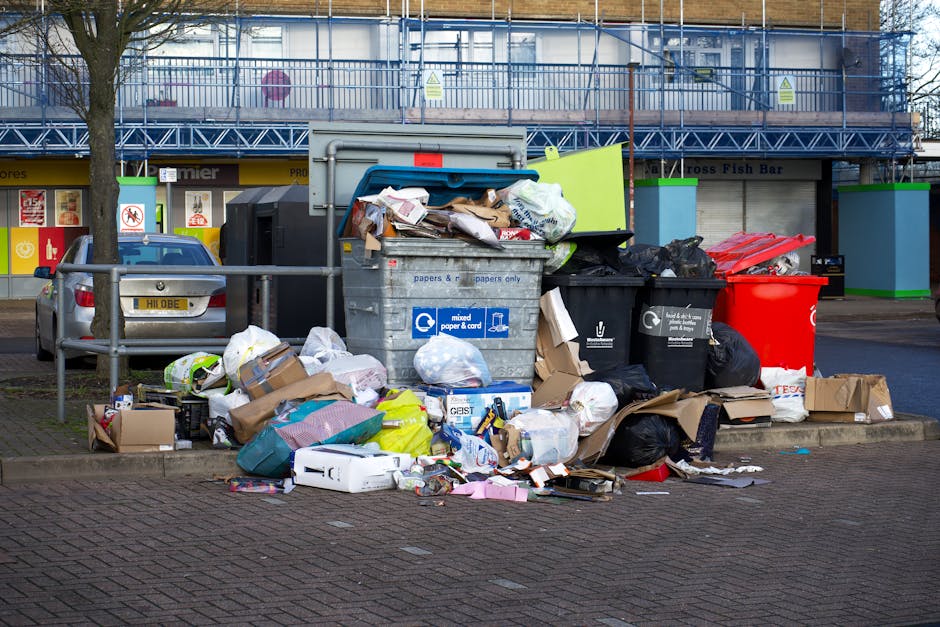
If you are clearing a flat, dealing with renovation waste, or trying to shift a stubborn pile of junk from a Pimlico property, the choice usually comes down to two options: skip hire or rubbish removal. Both can do the job, but they work differently, cost differently, and suit very different situations. That is where a proper Skip Hire vs Rubbish Removal in Pimlico: Cost Comparison becomes useful. In a compact London area like Pimlico, access, parking, timing, and disposal volume can change the maths quite a bit.
This guide breaks it all down in plain English. You will see how each service works, what drives the price up or down, and when one option is likely to be better value than the other. I will also cover common mistakes, local realities, and a few practical checks that can save you money. To be fair, this is one of those decisions that looks simple until you start looking at the details.
Why Skip Hire vs Rubbish Removal in Pimlico: Cost Comparison Matters
Pimlico is not the sort of place where waste management is ever just about the rubbish itself. There are narrow streets, controlled parking, shared access, and the usual London headache of "where exactly can a vehicle stop?" That means the cheapest quote on paper is not always the cheapest outcome in real life. A skip might look economical for a big clear-out, but if you need a permit, cannot keep it outside for long, or have nowhere suitable to place it, the practical cost rises fast.
Rubbish removal, by contrast, is usually more flexible. A crew arrives, loads everything for you, and leaves without you spending half a day moving sacks or furniture around. That convenience has a price, of course, but the value can be excellent if you are short on time or have awkward access. In Pimlico, those awkward bits often matter more than people expect.
There is also the issue of waste type. A few bulky household items, like a sofa or mattress, may be poor value in a skip if you are paying for a whole container you barely fill. On the other hand, a large renovation job might justify a skip if the waste is steady and plentiful. The right choice is rarely emotional. It is usually about volume, access, timing, and how much labour you want to do yourself.
If you are already comparing wider service options, it can help to look at the services overview and the pricing and quotes guidance so you know what is included before committing.
How Skip Hire vs Rubbish Removal in Pimlico: Cost Comparison Works
The comparison starts with one simple question: are you paying mainly for container space, or for collection, labour, and disposal together? Skip hire is essentially a container rental. You choose a size, arrange delivery, load it yourself, and later arrange collection. Rubbish removal is a hands-on service. A team comes to the property, carries the waste out, loads it, and disposes of it on your behalf.
That difference changes the price structure. With a skip, you often pay for:
- delivery and collection
- the skip size
- the hire period
- possible permit costs
- restricted waste types or surcharge items
With rubbish removal, you often pay for:
- the amount of waste removed
- the labour involved
- access difficulty
- time on site
- special handling for certain items
So while skip hire can look cheaper for bigger volumes, it is only usually cheaper if you can make full use of the skip and avoid extra charges. Rubbish removal may look more expensive for light loads, but once you account for labour, parking pressure, and the value of your own time, it can be the better deal. Especially in central London, where one parking mistake can turn into a very annoying afternoon.
If you are dealing with builders' debris, it may also be worth reading about builders waste disposal in Pimlico because construction waste has its own practical quirks.
Key Benefits and Practical Advantages
Each option has a clear place in the market. The trick is knowing what you are actually buying.
Why people choose skip hire
- Good for ongoing projects where waste builds up over several days
- Useful if you want a fixed spot to throw things into as you work
- Can be efficient for very bulky or mixed renovation waste
- Often suits homeowners or contractors who do not mind loading waste themselves
Why people choose rubbish removal
- No lifting or heavy carrying required from you
- Faster for one-off clearances and urgent jobs
- Well suited to flats, basement properties, and tight access areas
- Less disruption on the street because there is no skip sitting outside
In Pimlico, convenience often wins more often than people think. If you live in a first-floor flat, have limited outside space, or simply do not want a skip on the road for days, rubbish removal can feel much smoother. If you are clearing out a property after a move or handling a bigger renovation, a skip may still give better value. Different jobs, different answer. Simple as that, really.
For household clear-outs specifically, the service page for house clearance in Pimlico is worth a look, while office moves or refurbishments may lean towards office clearance.
Who This Is For and When It Makes Sense
This cost comparison matters to a few different people, and each group has slightly different priorities.
Homeowners and tenants
If you are clearing out old furniture, sorting a loft, or dealing with a small renovation, you may not need a skip at all. Rubbish removal is often the more sensible option when the waste is ready to go and you want the room cleared in one visit.
Landlords and letting agents
End-of-tenancy clearances can be awkward. There is usually a mix of bags, damaged furniture, and odds and ends left behind. If you need the property turned over quickly, rubbish removal can be worth the extra spend because it compresses the whole job into a short window.
Builders and tradespeople
For steady waste streams, skip hire sometimes makes sense. But if the site is tight or access is restricted, a wait-and-load style rubbish removal can be less disruptive. That is especially true where parking and pavement space are limited.
Businesses and office managers
Office clearances are often about speed and discretion. Nobody wants a skip causing clutter at the front of a building for several days. A team-based removal service often keeps things neat and easier to manage.
People dealing with bulky items
A few large items can be deceptively awkward. Sofas, wardrobes, and mattresses are not just heavy; they are awkward to manoeuvre through stairwells and tight hallways. If that sounds familiar, the article on bulky waste pickup in Pimlico gives a useful sense of what usually happens on the day.
Step-by-Step Guidance
If you are still undecided, work through the decision in this order. It keeps the choice practical rather than guesswork-led.
- List the waste type. Is it household rubbish, builders waste, garden cuttings, office furniture, or a mix?
- Estimate the volume. Not perfectly. Just enough to know whether it is a couple of bulky items or a small mountain.
- Check access. Can a skip be placed safely and legally? Can a vehicle stop nearby for loading?
- Think about labour. Do you actually want to carry everything yourself? Be honest.
- Consider timing. Do you need the job done today, this week, or over a longer project window?
- Ask about restrictions. Some waste streams need extra care, and some mixed loads are easier than others.
- Compare the real total. Include permits, loading time, missed work, and any extra disposal fees.
A good rule of thumb: if you are likely to fill a skip properly and have a suitable place for it, skip hire can be cost-efficient. If you need flexibility, speed, or help with lifting, rubbish removal often wins on overall value.
If you want a quicker response for a one-off job, you may also find same-day quote information for Pimlico rubbish useful before you make the call.
Expert Tips for Better Results
Here is where people usually save money, or waste it. The good news is that the fixes are straightforward.
1. Don't pay for empty space
If you only have a few cubic metres of waste, a skip can be poor value. Try to group similar jobs together so the load is worth the hire. Half-full skips are expensive little monuments to poor planning.
2. Watch the access conditions
In Pimlico, access matters as much as volume. Narrow mews-style access, basement stairwells, and controlled parking all affect the final cost. If a company can see the route before the job starts, the quote is usually more realistic.
3. Separate out problem items early
Items such as paint tins, chemicals, fridges, or anything classed as hazardous waste should be identified in advance. If you leave them until collection day, you may face delays or extra charges.
4. Ask what is actually included
One quote might look lower because it excludes labour, permit costs, or disposal surcharges. Another may be slightly higher but much more complete. That is why reading the detail matters. If you are worried about hidden charges, the page on hidden fees in rubbish quotes is a good companion read.
5. Match the service to the pace of the job
If you are doing a room-by-room clear-out over several days, a skip can be handy. If you need a flat emptied before the end of the day, rubbish removal is often more realistic. The best option is the one that fits the job without creating extra hassle. Obvious, perhaps, but easy to overlook when you are in the middle of a stressful clear-out.

Common Mistakes to Avoid
Most bad outcomes come from a small set of avoidable mistakes.
- Choosing the cheapest quote without checking the full terms. Low headline prices can hide permit fees, lifting charges, or extra disposal costs.
- Overestimating how much time you have. A skip left on the street is not useful if you are racing deadlines.
- Ignoring parking or permit issues. In central London, this can become the main cost driver.
- Mixing unsuitable waste types. Not everything can go together in one load.
- Booking too early or too late. Too early, and you may pay for time you do not use; too late, and the site becomes chaotic.
There is one more mistake I see a lot: people assume rubbish removal is always more expensive. It is not. Once you include labour and convenience, the value can be very strong, particularly for awkward access or urgent jobs. If you have ever tried to drag a broken wardrobe down a narrow stairwell at 8 a.m., you already know why.
Tools, Resources and Recommendations
You do not need a complicated toolkit to make a good choice. You need a few sensible checks and the right information before you book.
- Measure the pile. Even a rough idea of volume helps a lot.
- Take a couple of photos. This is especially useful if you are comparing quotes for a mixed load.
- Note access details. Stairs, lifts, permit bays, and loading restrictions all matter.
- List special items. Mattresses, appliances, and anything fragile or heavy should be flagged.
- Keep your timing window clear. If you are booking a collection, make sure the waste is ready and accessible.
For service context, the rubbish removal Pimlico page and waste clearance Pimlico page are useful starting points. If your job is outdoor-focused, the garden waste removal option may fit better than either a skip or a general house clearance.
And if you want to understand how the wider business handles safety and recycling, the pages on insurance and safety and recycling and sustainability are worth reading. It is reassuring, frankly, to know the basics are being handled properly.

Law, Compliance, Standards and Best Practice
Waste removal in the UK is not just a matter of convenience. You also want to stay on the right side of local rules and responsible disposal practices. I will keep this deliberately plain.
If you place a skip on a public road or pavement, you may need permission depending on local requirements. This is one of the big differences between skip hire and rubbish removal in a built-up area like Pimlico. Rubbish removal usually reduces that headache because nothing is left sitting outside for days. That said, access still needs to be safe and lawful.
Another practical issue is fly-tipping. It sounds obvious, but it is still worth saying: you should only use a service that disposes of waste properly and can explain how it handles removal. If waste is dumped irresponsibly, the person who arranged it can end up with serious trouble. For background, the article on fly-tipping fines in Pimlico is a useful reminder of why proper disposal matters.
For building-related waste, there may also be specific site considerations. The guide about permits for clearing building waste can help you think through the planning side before you book anything.
Best practice is simple: be clear about what you have, ask how it will be removed, and make sure the service is suitable for the waste stream. Nothing fancy. Just careful, sensible housekeeping.
Options and Comparison Table
Here is the clearest way to compare the two options for a Pimlico job. Costs vary by provider and by job details, so this table is about typical decision factors rather than exact pricing. That keeps it honest.
| Factor | Skip Hire | Rubbish Removal |
|---|---|---|
| Upfront cost structure | Container hire plus delivery and collection | Labour, loading, and disposal bundled together |
| Best for | Ongoing projects and larger, steady waste volumes | One-off clearances, bulky items, and urgent jobs |
| Labour required from you | High | Low |
| Access needs | Requires a safe skip location and often more space | Works well in tight or restricted access properties |
| Permit sensitivity | Can be an issue if placed on public land | Usually less exposed to permit issues |
| Speed | Good for longer jobs, less ideal for instant clearance | Usually faster for same-day or next-day clearance |
| Risk of paying for unused capacity | Higher if the skip is underfilled | Lower because you pay for what is actually taken |
| Disruption | Skip may sit outside for days | Shorter on-site disruption |
So which one is cheaper? If you have a large, predictable amount of waste and the space to hold a skip, skip hire can be the lower-cost route. If you have awkward access, need speed, or want the loading done for you, rubbish removal often gives better overall value even if the invoice is a little higher at first glance.
Case Study or Real-World Example
Imagine a Pimlico flat undergoing a small renovation. The owner has old kitchen units, broken tiles, packaging, and a few bags of mixed waste. The street outside is narrow, parking is tight, and the flat is up a flight of stairs. They first consider a skip because the volume looks moderate.
But once they check the practical details, the picture changes. A skip would need a suitable road position, possible permission, and would sit outside for several days. The owners would still need to carry everything down to street level. That is a lot of effort, and the cost of the hire could creep up once access and placement are taken into account.
Instead, they choose rubbish removal. The team arrives, loads the waste from the flat, and clears the site in one visit. The quote is not the very cheapest number they saw, but the total experience is smoother and faster. The owners avoid multiple trips, avoid parking stress, and get the flat back to usable condition the same day. In that case, the service that looked pricier on paper turned out to be the better deal in practice.
That is the real lesson here. Cost is not only the invoice. It is also time, effort, disruption, and the risk of doing the job badly the first time.
Practical Checklist
Use this quick checklist before you book either option.
- Have I estimated the volume of waste realistically?
- Is the waste mostly one type, or is it a mixed load?
- Do I have a legal, practical place for a skip if I choose one?
- Will I need to carry waste downstairs or outside myself?
- Do I need the clearance done urgently?
- Are there any items that need special handling?
- Have I asked what is included in the price?
- Have I checked for permit, access, or parking issues?
- Is there a risk I will pay for more capacity than I use?
- Do I want the least expensive option, or the least stressful one?
If you can answer those honestly, the decision becomes much easier. Not glamorous, maybe, but practical. And practical usually saves money.
Conclusion
For Pimlico properties, the choice between skip hire and rubbish removal comes down to the balance between price, access, and convenience. Skip hire is often best when you have a larger, steady amount of waste and a suitable place to keep the container. Rubbish removal is usually better when access is tight, time is short, or you want the loading handled for you.
In other words, the cheapest option is not always the best-value option. In a central London setting, the real winner is the service that fits the space you have, the time you have, and the amount of effort you want to put in. Once you look at the full picture, the right answer usually becomes quite clear.
Get a free quote today and see how much you can save.
And if you are comparing service types more broadly, the about us page is a useful place to understand the approach behind the service before you decide. A calm, well-planned clearance really does make life feel lighter.


 Tipper Van - Waste Disposal and Rubbish Removal Prices in Pimlico, SW1
 Luton Van - Waste Disposal and Rubbish Removal Prices in Pimlico, SW1