



Hazardous Waste Disposal in Pimlico: Immediate Steps
Posted on 10/06/2026
If you have found a leaking container, a bag of unknown chemicals, broken fluorescent tubes, or anything else that looks risky, the first few minutes matter. Hazardous Waste Disposal in Pimlico: Immediate Steps is really about stopping harm before it spreads: to people, pets, drains, floors, and the wider building. That might sound dramatic, but in a tight London street or a shared block, a small spill can become a bigger problem very quickly.
This guide walks you through what counts as hazardous waste, what to do right away, and how to decide whether you can manage the situation safely or should bring in professional help. It is written for real-life situations, not ideal ones. Because let's face it, hazardous waste rarely turns up when you have time to prepare.
For readers looking for broader waste help in the area, you can also explore the full services overview and learn more about the team's approach on the about us page.
Why Hazardous Waste Disposal in Pimlico: Immediate Steps Matters
Hazardous waste is not just "messy rubbish". It can burn skin, release fumes, contaminate surfaces, and create fire or environmental risks if handled badly. In a neighbourhood like Pimlico, where homes, flats, offices, and basement spaces often sit close together, the consequences of delayed action can spread beyond the original item. That is especially true in older properties where ventilation may be limited and storage space is, shall we say, not generous.
The immediate steps matter because most accidents get worse through simple delay. Someone opens a suspicious container to "have a look". A bottle leaks into cardboard. A cleaner wipes a chemical spill with the wrong cloth. A light tube is thrown into general waste and breaks. None of that is rare. None of it is clever either, but it happens.
The safest approach is to pause, isolate, identify what you can, and avoid direct contact until you know more. If the item is obviously dangerous, or if you suspect contamination from a flood, fire, break-in, or renovation, treat it as urgent. If you need emergency support after a property incident, the article on emergency rubbish removal for floods or break-ins is a useful related read.
Practical takeaway: the goal is not to solve everything instantly. It is to stop the risk getting bigger while you figure out the correct disposal route.
How Hazardous Waste Disposal in Pimlico: Immediate Steps Works
In practice, safe hazardous waste handling follows a simple sequence: identify, isolate, contain, and arrange proper removal. That sounds neat on paper, and it mostly is. The real world adds awkward packaging, cramped hallways, and that one item nobody knows where it came from.
1. Identify the item as carefully as you can
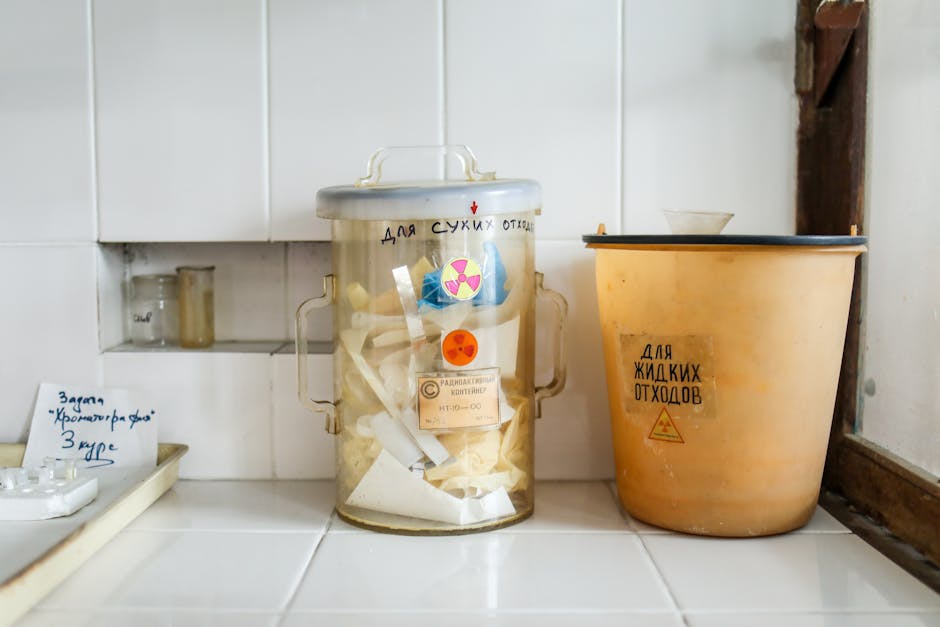
Look for labels, hazard symbols, smells, corrosion, wet patches, or unusual containers. Common examples include paint, solvents, bleach, adhesives, oils, batteries, sharps, cleaning chemicals, asbestos-containing materials, fluorescent tubes, pesticides, and damaged electronics with leaking parts.
If there is no label, do not start mixing clues by opening containers or sniffing them closely. That is one of those ideas that seems useful for about three seconds.
2. Keep people away
Close the room if possible, keep pets and children out, and ask others not to touch the item. In a shared building, a quiet warning is better than a dramatic scene. Put something visible in place if it helps people avoid the area, but do not block fire exits or create a trip hazard.
3. Avoid spreading the hazard
Do not sweep powders dry, do not rinse unknown liquids down the sink, and do not move a leaking container without a plan. If a spill is small and you know exactly what it is, some low-risk cleaning chemicals may still need careful handling, but if there is any doubt, step back. If you can ventilate the room safely, do so without creating a draft that pushes vapour through the property.
4. Store it temporarily the right way
If the item is stable and does not require emergency response, place it somewhere cool, secure, and separate from general waste. Keep original labels intact where possible. Never transfer an unknown substance into a food container. That sounds obvious, yet it still happens.
5. Arrange appropriate removal
Some items need specialist handling, some can go through a licensed waste route, and some may require a specific collection method depending on condition and quantity. For broader waste support in the area, rubbish removal in Pimlico and waste clearance services can be useful starting points when the job is more about safe removal than DIY disposal.
Key Benefits and Practical Advantages
The obvious benefit is safety. But there are other, less dramatic advantages too, and they matter in real life.
- Reduced risk to people: fewer accidents, fewer exposures, fewer "I only touched it for a second" moments.
- Less property damage: contained spills are much easier to manage than chemicals that seep into flooring or joinery.
- Better compliance: appropriate handling supports lawful disposal and reduces the chance of mistakes later.
- Cleaner handover for landlords or agents: especially relevant after tenancies, refurbishments, or clearance projects.
- Peace of mind: once the hazard is contained, the whole situation becomes far less stressful.
There is also a practical local benefit. In Pimlico, space is often limited. A safe, quick response prevents a hazardous item from lingering in a hallway, bin store, or utility cupboard where someone else might unknowingly pick it up later. If you are managing a fuller property clearance situation, house clearance in Pimlico and office clearance in Pimlico may be relevant alongside hazardous waste separation.
Who This Is For and When It Makes Sense
This guidance is for anyone who discovers or stores hazardous materials in a home, office, rental, basement, garage, shop, or renovation space. That includes:
- homeowners dealing with old paint, garden chemicals, or damaged cleaners
- landlords and managing agents handling tenant left-behind items
- office managers with batteries, toner, e-waste, or cleaning products
- tradespeople dealing with contaminated packaging, adhesives, or solvent containers
- families after a loft clear-out or shed clearance
- anyone who has had a flood, break-in, or fire-related cleanup
It makes sense to act immediately when the item is leaking, broken, unknown, smelly, warm, dusty, or stored near food, heating equipment, or children's belongings. A small sealed item may not require panic. But if you are asking, "Should I be touching this at all?" the answer is usually no. That little hesitation is worth listening to.
For readers who are sorting out multiple waste types at once, it can help to separate the hazardous items from bulky or mixed rubbish first. Related pages such as builders waste disposal in Pimlico and office clearance in Pimlico may help you map the rest of the job.
Step-by-Step Guidance
Here is a straightforward process you can follow the moment you identify a potential hazard.
- Stop and assess from a distance. Do not lift, shake, or open the item.
- Move people and pets away. Keep the area calm and clear.
- Check for obvious danger signs. Look for smoke, heat, active leaking, unusual fumes, broken glass, or powder spreading.
- If it is safe, improve ventilation. Open a window or door without disturbing the item.
- Separate compatible items. Only if you already know what they are and they can be moved safely.
- Keep labels and original packaging intact. If the container is damaged, place it inside a suitable secondary container if that can be done safely.
- Do not mix chemicals. Even "similar" products can react badly.
- Record what you found. Take notes or photos from a safe distance for later reference.
- Arrange removal or specialist advice. If in doubt, get professional help.
One very ordinary but useful habit: keep a scrap note with the date, location, and description of the item. It sounds almost too simple, yet it helps enormously when you later need to explain what was found and where.
A quick note on unknown liquids and powders
If the item is unlabelled, treat it as unknown until proven otherwise. Unknown powders can become airborne. Unknown liquids can soak into carpet or timber. Unknown sprays can release vapour if warmed up. That is why immediate containment is usually better than improvisation.
Expert Tips for Better Results
After dealing with enough real-world clearances, a few practical habits stand out.
- Separate by risk, not by guesswork. Batteries, aerosols, solvents, and light tubes are all different problems. Keep them apart unless a professional says otherwise.
- Preserve original packaging. Even a torn box or half-readable label can save time and reduce handling risk.
- Keep a "do not touch" box. In a busy house, one clearly marked container is better than scattered items on a kitchen counter.
- Act early if the item is in a shared space. Communal hallways and bin areas are poor places for uncertainty.
- Plan for access. Narrow stairs, basements, and rear mews entrances can affect how removal is done. Pimlico properties often have access quirks, no surprise there.
In our experience, the calmer the first response, the better the outcome. Rushing tends to create extra mess. A slow, tidy approach is somehow faster in the end.
If the issue sits alongside damaged furniture, stripped-out fittings, or post-incident waste, you may find it helpful to look at quick rubbish pickup on Charlwood Street Pimlico for an example of how speed and coordination matter in a local setting.
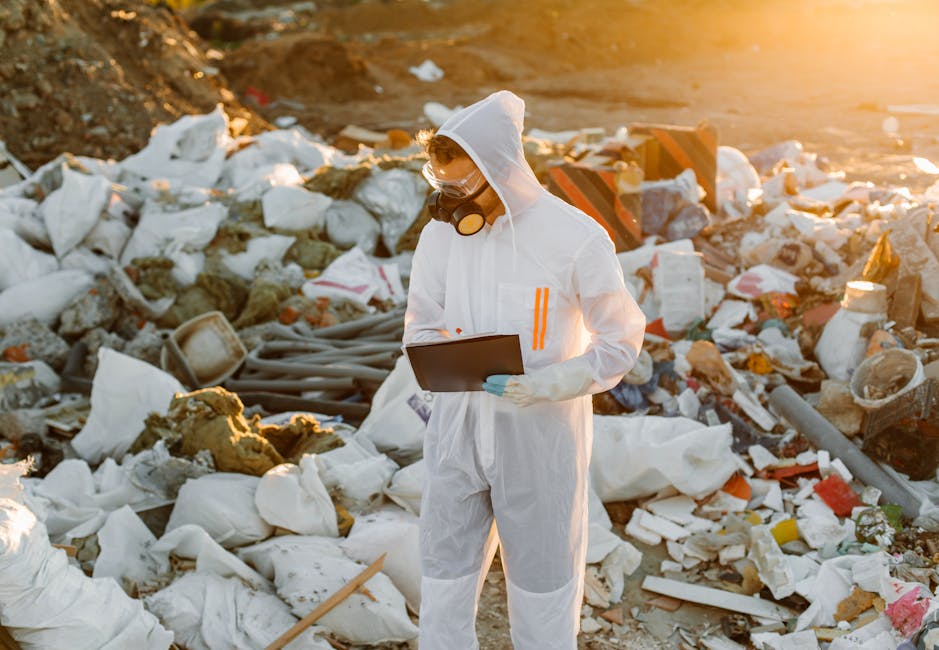
Common Mistakes to Avoid
Most hazardous waste mistakes come from trying to be helpful too quickly.
- Pouring liquids down sinks or drains. This can create plumbing problems and environmental contamination.
- Putting hazardous items in black bags. General waste is not a safe fallback.
- Breaking items down without protection. Light tubes, mirrors, and chemical containers can release dust or vapour.
- Mixing products together. Even household cleaners can react unpredictably.
- Assuming "small" means "safe". A small amount can still be serious if it is toxic, flammable, or corrosive.
- Waiting too long. A leak that sits overnight often becomes a larger cleanup job by morning.
Another common mistake is trying to solve the whole clearance in one go. If you have a loft full of mixed items, focus on isolating the hazard first. The rest can wait a little. Really, it can.
Tools, Resources and Recommendations
You do not need a truck full of specialist gear for every situation, but a few simple items are useful to have around for safe temporary containment.
- nitrile gloves for non-leaking, low-contact handling when appropriate
- sturdy boxes or tubs for secondary containment
- clear labels and a marker pen
- sealable bags for broken small items, if safe to use
- a torch for inspecting dark cupboards or under-sink areas without touching anything
- disposable absorbent materials for minor clean containment, used only where suitable
On the recommendation side, the safest approach is to use trained and insured waste handlers when the item is leaking, unknown, or potentially reactive. It is also sensible to keep an eye on where the waste goes next. A responsible operator should be able to explain sorting, transport, and disposal expectations in plain English. If you want to understand service standards and care around handling, the insurance and safety page is a useful read, and the recycling and sustainability page gives more context on responsible disposal practices.
For readers comparing costs or wanting to plan ahead, pricing and quotes and payment and security are also worth reviewing before booking anything.
Law, Compliance, Standards, or Best Practice
Hazardous waste is a regulated area in the UK, so careful handling matters. You do not need to memorise legal terminology to stay on the right side of best practice, but you do need to avoid casual disposal. In general terms, the following principles apply:
- Do not dispose of hazardous items with ordinary household rubbish.
- Keep waste streams separate where practical.
- Use appropriately licensed and insured handlers for specialist waste.
- Retain records where relevant. This is especially sensible for commercial or managed properties.
- Follow product instructions and safety data where available.
For businesses, landlords, and trades, best practice usually means identifying the waste correctly before collection, storing it safely until removed, and making sure it is transferred to a suitable route. If you are dealing with fit-out residue, old office stock, or clearance waste alongside hazardous materials, it is wise to keep the streams separate and document what was removed.
To be fair, the law is not the only reason to take this seriously. Even when there is no obvious immediate danger, poor disposal can still create a downstream problem for cleaners, neighbours, or whoever opens the bag next. That is enough reason on its own.
Options, Methods, or Comparison Table
If you are deciding how to handle a hazardous item, it helps to compare the usual routes. The right option depends on the type of waste, how stable it is, and how much you are dealing with.
| Method | Best for | Pros | Limits |
|---|---|---|---|
| Temporary safe storage | Stable, sealed items awaiting collection | Buys time, reduces immediate risk | Not a final solution |
| Household self-management | Very small, clearly identified non-reactive items | Quick for minor situations | Easy to get wrong if the item is unknown |
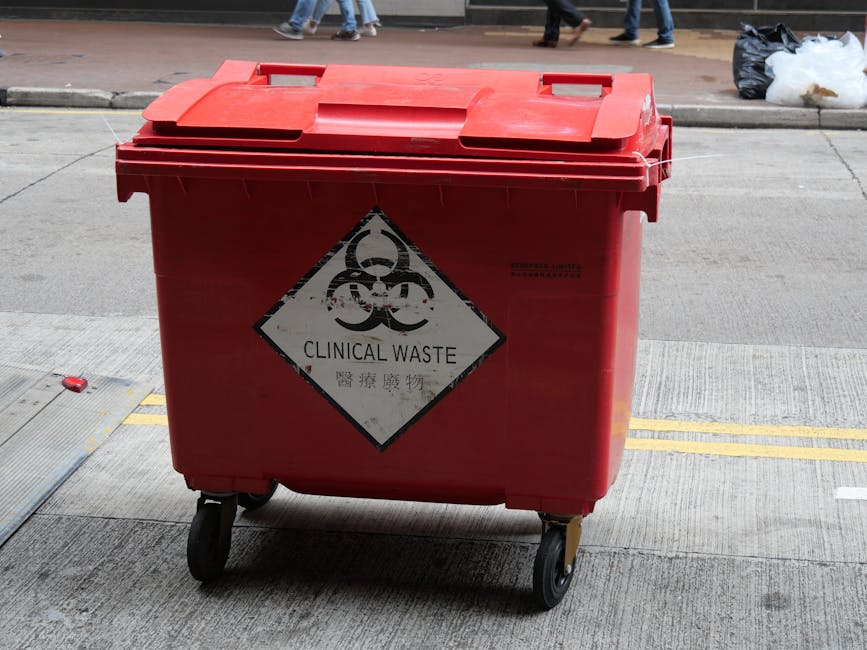
| Professional hazardous waste removal | Leaking, unknown, bulky, or mixed hazardous items | Safer, faster, better suited to complex cases | Needs proper coordination and access |
| General rubbish collection | Non-hazardous waste only | Convenient for ordinary rubbish | Not appropriate for hazardous material |
For many Pimlico households, the decisive factor is not just the waste type but access. Narrow staircases, controlled entry, and limited parking can make a supposedly "simple" collection more involved. That is where planning beats optimism every time.
Case Study or Real-World Example
A ground-floor flat in Pimlico after a minor kitchen leak is a good example. A tenant discovers a plastic bottle of cleaning solvent, a cracked aerosol can, and a half-open box of old batteries stored under the sink. Nothing is actively spilling, but the cupboard smells sharp and the floor is damp.
The first step is not to empty the cupboard onto the floor. The resident closes the door, keeps children away, and opens the nearby window. From a safe distance, they read the labels on the items they can see. The solvent bottle is intact but old; the aerosol can is dented; the batteries are corroded. That changes the situation from "clear it out later" to "sort it carefully now".
Instead of mixing everything into one bag, the resident separates the items into categories, keeps them upright where possible, notes what was found, and arranges suitable removal through a waste service capable of dealing with mixed clearance. The cupboard is later cleaned only after the hazard has been removed.
What mattered most? Not speed. Not bravery. Just a calm sequence and a refusal to improvise. That is usually how these jobs go when they go well.
Practical Checklist
Use this checklist when you find something hazardous or potentially hazardous.
- Stop handling the item immediately
- Keep children, pets, and other people away
- Look for labels, smell, heat, leaks, or damage from a safe distance
- Ventilate the room only if it can be done safely
- Do not mix the item with general rubbish
- Do not pour liquids away or sweep powders dry
- Keep original packaging and labels where possible
- Photograph or note the item from a distance
- Store it securely away from food and heat
- Arrange professional removal if there is any doubt
If you are also clearing out non-hazardous waste at the same time, it can help to plan the other streams separately. For example, bulky furniture can be handled through bulky waste pickup in Pimlico, while garden leftovers may belong in garden waste removal in Pimlico. Mixing it all together is where confusion starts.
Conclusion
Hazardous waste is one of those problems where a measured response beats a fast one. The immediate steps are simple: stop, separate, keep people safe, and arrange the right disposal route. If you do that well, you reduce risk, protect the property, and make the eventual clearance much easier.
In Pimlico, where homes and businesses often operate in close quarters, that calm first move can make all the difference. And honestly, once the hazard is contained, everything feels less fraught. A bit of fresh air, a clear plan, and the right help go a long way.
Get a free quote today and see how much you can save.
If you are still unsure how to proceed, start with the safest option: keep the item untouched and speak to a professional waste team that understands hazardous materials, access, and local collection needs. A difficult morning can usually be turned into a manageable afternoon. That is the nice part, really.