






Hidden Fees in Pimlico Rubbish Quotes: What to Watch
Posted on 02/06/2026
If you have ever stared at a rubbish removal quote and thought, "That seems fine... but is it really?", you are not alone. Hidden fees in Pimlico rubbish quotes can turn an apparently tidy price into an awkward surprise on collection day. The good news is that most of these charges are avoidable once you know what to look for, what questions to ask, and how decent operators structure their pricing. This guide breaks it down in plain English, with a focus on real-world Pimlico jobs, so you can compare quotes properly and avoid paying more than you should.
Whether you are clearing a flat near the station, dealing with builders' debris after a refurb, or just shifting a bulky item that has been annoying you for weeks, the same basic rule applies: a quote should explain what is included and what may cost extra. Simple enough, but not every company makes that clear. Let's get into the bits people miss, because that is usually where the headache starts.
Why Hidden Fees in Pimlico Rubbish Quotes: What to Watch Matters
Rubbish removal looks straightforward from the outside. You send a few photos, get a price, the team turns up, and the waste disappears. In reality, the quote often depends on a stack of details: access, load size, waste type, parking, labour time, stair carry, and whether anything can be recycled or needs specialist handling. If those details are not spelled out clearly, the final bill can jump.
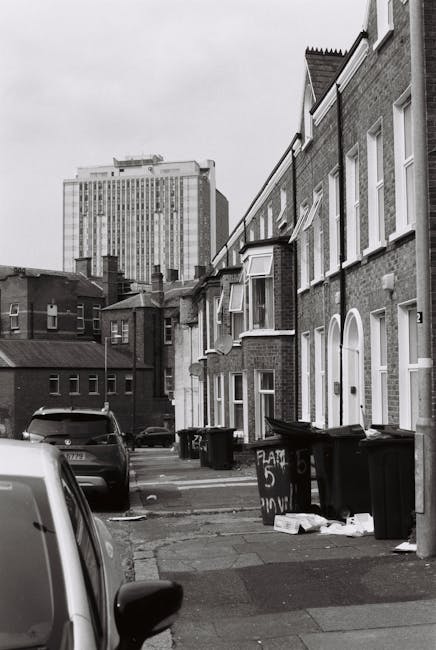
In Pimlico, that matters even more because the local environment can make a job slightly trickier than it first appears. Narrow streets, controlled parking, basement flats, third-floor walk-ups, and buildings with limited lift access can all influence cost. None of that is unusual. But if a company only mentions it after arrival, the quote was never really complete.
The biggest issue is not just cost. It is trust. A vague quote makes it hard to compare providers properly, and once you are on the phone or facing a van in the street, you are in a weaker position to negotiate. That is exactly when hidden fees become expensive.
If you are weighing up different providers, it can help to review the company's pricing and quotes guidance alongside the range of services overview pages, so you know what a quote is meant to cover before you commit.
Practical takeaway: a fair quote should make the main variables visible before the job starts. If the cost depends on access, waste type, or extra labour, that should be clear from the start, not sprung on you at the kerb.
How Hidden Fees in Pimlico Rubbish Quotes: What to Watch Works
Hidden fees usually appear because the original estimate was based on incomplete information, or because the provider uses a low headline price to get the booking and then adds charges later. Sometimes it is innocent enough: the customer forgot to mention loft access or a broken sofa frame with sharp edges. Other times, the quote was deliberately kept vague. To be fair, both end in the same place: a bigger invoice than expected.
Here is how the pricing chain usually works. First, the company estimates the volume of waste, often in fractions of a van load. Then it adds labour, access, and disposal costs. If the job turns out to be more awkward than the description suggested, the price rises. The issue is not that extra charges exist. The issue is whether they were disclosed before you agreed to the work.
The most common hidden charges in local rubbish quotes tend to fall into a few buckets:
- Load-based uplifts if the waste is heavier or bulkier than described.
- Access charges for long carries, stairs, no parking, or restricted entry.
- Waiting time fees when the crew is delayed by access problems, keys, or landlord approvals.
- Extra labour costs for dismantling furniture, moving items from upstairs, or separating mixed waste.
- Special waste fees for items that require separate handling or disposal routes.
- Congestion or parking-related costs if the vehicle has to work around local restrictions.
The best way to reduce uncertainty is to give a precise description up front. Mention whether the items are on the ground floor or not, whether the team will need to carry things through a communal hallway, and whether any items are unusually heavy, damaged, wet, or contaminated. A few extra details now can save a lot of back-and-forth later.
If the job is a full property clear-out, the risks of hidden charges go up because the scope is broader. In those cases, it is worth looking at a dedicated house clearance Pimlico option or even an office clearance page if you are dealing with desks, chairs, files, and electronics. Different jobs, different cost triggers.
Key Benefits and Practical Advantages
Spotting hidden fees is not just about saving a few pounds, although that is a nice bonus. It also gives you a cleaner decision-making process. Once the quote is transparent, you can compare providers on value instead of guessing who is cheapest and hoping for the best. And let's face it, hoping is not a pricing strategy.
There are a few genuine advantages to being more careful here:
- Better budgeting: you can plan the real cost before the team arrives.
- Fewer disputes: less chance of disagreement when the job is completed.
- Faster service: clear details mean fewer delays on the day.
- More accurate comparisons: you can compare like with like rather than headline price versus unknown extras.
- Improved trust: a provider that explains pricing properly is usually easier to deal with overall.
There is also a quieter benefit: peace of mind. When a job is already stressful, such as a last-minute flat clearance, a flood-related clean-up, or a builders' sweep after dust has settled everywhere, the last thing you need is a pricing argument. Transparent quotes remove a lot of that friction.
For broader background on how a reputable local operation should work, it can be useful to read the company's about us page and the practical details in insurance and safety. Those pages help you understand what standards you should reasonably expect before any collection is booked.
Who This Is For and When It Makes Sense
This topic matters to almost anyone arranging waste removal in Pimlico, but it is especially useful if your job has more moving parts than a simple single-item pickup.
- Homeowners and tenants clearing out furniture, loft contents, or end-of-tenancy rubbish.
- Landlords and letting agents who need fast, reliable clearance between occupancies.
- Small businesses clearing offices, stockrooms, or old equipment.
- Builders and decorators dealing with rubble, packaging, timber, and general site waste.
- Anyone with bulky items like mattresses, wardrobes, sofas, or awkward appliances.
If you are handling a one-off item, hidden fees are usually easy to avoid with a careful quote and a couple of photos. If you are clearing multiple rooms, a garden, or a mixed-load builder's job, the chance of surprises rises. That is where more structured services such as builders' waste disposal, garden waste removal, or waste clearance can be a better fit than a generic one-line estimate.
People arranging an urgent pickup also need this guide. Quick response can be useful, of course, but a fast quote should still be clear. Speed and clarity are not opposites. They should go together.
Step-by-Step Guidance
If you want to reduce the chance of hidden costs, work through the job in a methodical way. It sounds boring. It saves money. That is usually how these things go.
- Describe the waste clearly. State what is being removed, approximate quantity, and whether it is mixed waste, furniture, garden cuttings, builders' debris, or a single bulky item.
- Explain access honestly. Mention stairs, lifts, long carries, restricted parking, basement access, or any coded entry systems.
- Share photos from more than one angle. Wide shots help assess size; close shots help identify item type and condition.
- Ask what the quote includes. Labour, VAT if applicable, disposal, loading, parking issues, and any dismantling should all be covered or clearly separated.
- Ask what could change the price. A decent provider should be able to tell you the common triggers for adjustments.
- Request confirmation in writing. Even a simple email or message summarising the agreed scope helps avoid misunderstandings.
- Check timing expectations. If a company is arriving during a busy window, ask whether waiting time or rebooking could apply if access is not ready.
- Review the small print. Terms and conditions are not thrilling reading, no, but they often explain the charge structure better than a phone call does.
A useful habit is to ask one direct question: "What is the final price based on, and what would make it change?" That tends to cut through the waffle quickly.
For jobs involving the removal of a sofa, mattress, or other oversized item, the page on bulky waste pickup in Pimlico gives a helpful sense of how vehicle size, item type, and access can affect the process. If you are in a hurry and need something picked up fast, the local example in quick rubbish pickup on Charlwood Street is a good reminder that speed still needs clear pricing.
Expert Tips for Better Results
After enough waste quotes, a few patterns become obvious. The people who avoid hidden fees usually do three things well: they give accurate information, they ask direct questions, and they do not rush into the cheapest-looking quote without checking what is missing. That last part matters a lot.
Here are some practical tips that actually help:
- Use photos and measurements, not guesses. "A bit of rubbish" can mean very different things to different people.
- Separate items by type. Furniture, wood, green waste, plasterboard, and general rubbish may be priced differently.
- Flag access quirks early. A locked gate or awkward staircase is not a small detail when someone has to carry a washing machine downstairs.
- Ask if dismantling is included. Some companies include it; some treat it as an extra job.
- Check whether the quote is fixed or estimated. Fixed quotes are easier to trust if the job description is accurate.
- Keep messages and photos. If a price changes later, you will have a record of what was originally agreed.
One slightly underrated tip: pay attention to tone. If the quote response is vague, evasive, or oddly eager to "just sort it on the day," take that as a signal to pause. Good service tends to sound calm and specific, not slippery. You can usually feel the difference.
It also helps to look at the company's wider approach. Pages such as recycling and sustainability and payment and security give you clues about how seriously the business treats disposal standards and customer confidence, not just the immediate collection.

Common Mistakes to Avoid
The most expensive mistakes usually happen before the van arrives. That is the annoying part. A few quick oversights can create a very long afternoon.
- Accepting a price without asking what is included. The headline figure is not enough.
- Underestimating volume. A half-load and a full-load are not close cousins in pricing terms.
- Forgetting access details. Ten minutes of extra carrying can become a real issue on a busy street.
- Assuming all waste is the same. Mixed waste can cost more to sort and dispose of.
- Ignoring terms and conditions. The small print often explains how late changes or extra labour are charged.
- Choosing only on price. The cheapest quote can become the priciest if hidden extras keep appearing.
Another common slip is failing to mention wet waste, damaged items, or contamination. For example, flood-affected rubbish, break-in debris, or mouldy materials may need more careful handling. If your situation is urgent and unusual, the guide on emergency rubbish removal for Pimlico floods or break-ins is worth a look because emergency jobs can involve additional risks that should be priced transparently.
And yes, sometimes people simply do not ask enough questions because they feel awkward. Happens all the time. But once you are spending money, clarity is not rude. It is sensible.
Tools, Resources and Recommendations
You do not need fancy tools to avoid hidden fees, but a few simple things make quote comparison much easier.
- Phone camera: take clear images of all items and access points.
- Notes app: write down what was promised, the quoted scope, and any exclusions.
- Measuring tape: helpful for bulky items or tight hallways.
- One comparison table: even a rough side-by-side helps expose vague pricing.
- Email or message thread: keeps a record of what was agreed.
Recommended reading on the same site can also help you understand the bigger picture before you book. If you are comparing providers, the rubbish removal Pimlico page is useful for service context, while the main our services page gives a broader view of what can be handled. For readers who want to understand the area better while planning a move or clearance, local posts like life in Pimlico and falling in love with Pimlico offer a sense of the neighbourhood and the kinds of properties people are working around.
Law, Compliance, Standards, or Best Practice
This is one area where a careful approach really matters. Waste collection and disposal sit within a framework of UK legal duties and practical standards, and a trustworthy operator should be able to work within those expectations. You do not need to memorise legislation to protect yourself, but you should expect transparent pricing, responsible handling, and sensible proof of what is being removed.
Best practice usually includes:
- Clear written terms that explain how the quote works and when it may change.
- Proper waste handling rather than casual dumping or vague promises.
- Responsible disposal routes for items that need sorting, recycling, or separate treatment.
- Safe working practices for lifting, carrying, access, and vehicle loading.
- Customer clarity around charges, timings, and any exceptions.
If a quote feels unusually cheap, ask yourself why. Is the company leaving out disposal costs? Are they assuming easy access when the site is awkward? Are they expecting to add charges later? The safest move is not to assume bad faith, but to ask enough questions to make the structure visible.
For readers who want to check broader company commitments, the pages on terms and conditions, privacy policy, and cookie policy are useful support pages. They are not about pricing directly, but they do show whether the business keeps its information tidy and accessible. Small detail, maybe. Still worth a look.
Options, Methods, or Comparison Table
Different pricing styles suit different jobs. The key is knowing what you are actually buying. A quick comparison like this can stop a lot of confusion.
| Pricing style | How it usually works | Best for | What to watch |
|---|---|---|---|
| Fixed quote | One agreed price based on the information you provide | Clear, well-described jobs | Make sure access and item list are accurate |
| Estimate | Indicative price that may change if the job differs on arrival | Jobs with unknown volume or access | Ask exactly what could alter the final cost |
| Load-based pricing | Cost depends on how much of the vehicle is used | Mixed loads, larger clearances | Confirm how partial loads are measured |
| Labour-plus-disposal model | Price covers work time and disposal separately or together | More complex removals | Check if stairs, carrying distance, or dismantling are extra |
For many Pimlico households, a fixed quote is easiest if the waste is well documented. For more complicated clearances, an estimate can still be fine, but only if the provider explains the likely variables. The worst scenario is a "cheap" estimate that is vague enough to change in almost any direction. That is where trust disappears fast.
If you are comparing service types, it may also help to review specialised pages such as office clearance Pimlico and builders waste disposal Pimlico, since those jobs often carry different labour and handling assumptions than a standard household collection.
Case Study or Real-World Example
Picture a fairly typical Pimlico scenario. A resident in a second-floor flat wants a sofa, a broken chest of drawers, a mattress, and a few black bags removed before a new tenancy starts. The first quote sounds attractively low. Nice, almost suspiciously so. Then the provider asks a few more questions: Is there lift access? Is parking available outside? Can the items be brought to the front door? Are any of the bags mixed with plaster or heavy rubble?
Those extra questions are not a bad sign. In fact, they are what a responsible quote looks like. When the answers reveal that the sofa needs to be carried down stairs, the mattress is damp, and parking is tight, the company revises the estimate before booking. The final price is higher than the headline number, but it is also honest. No drama on the day, no awkward "we need to add this now" conversation by the van.
Now compare that with a less careful approach. The customer accepts the first price, does not mention the stairs, and assumes everything is included. On arrival, the crew sees the access issue and adds a supplement. Frustration follows. Nobody enjoys that moment. The job gets done, but the experience leaves a bad taste.
That is the real lesson: a good quote is not just a number. It is a shared understanding of the job.
Practical Checklist
Use this checklist before agreeing to any rubbish removal quote in Pimlico.
- Have I described every item clearly, including bulky or awkward pieces?
- Have I mentioned stairs, lifts, long carries, and parking constraints?
- Do I know whether the quote is fixed or an estimate?
- Have I asked what is included in the price?
- Have I asked what could cause the price to change?
- Have I checked whether dismantling or loading help costs extra?
- Have I sent photos from multiple angles?
- Do I have the agreement in writing?
- Have I checked the provider's wider service information and trust pages?
- Does the quote feel clear, calm, and specific rather than rushed or vague?
If you can tick most of those boxes, you are in much better shape than the average customer. Not perfect, maybe, but much better. And that's usually enough to avoid the annoying surprises.
Conclusion
Hidden fees in Pimlico rubbish quotes are rarely mysterious once you know where they tend to hide. They sit in access problems, load assumptions, vague wording, rushed estimates, and unclear small print. The answer is not to become suspicious of every provider. It is to become more precise as a customer. Clear photos, honest descriptions, and a few direct questions can save real money and a lot of stress.
In a neighbourhood like Pimlico, where property layouts and street access can vary from one job to the next, a transparent quote is worth its weight in, well, rubbish removed properly. If you want the smoothest result, compare quotes on inclusion and clarity, not just headline cost. That is usually where the smart decision lives.
Get a free quote today and see how much you can save.
And if the process still feels a bit fiddly, that is normal. Most people do not book rubbish removal every week. Take your time, ask the awkward question, and trust the quote that can answer it properly.



 Tipper Van - Waste Disposal and Rubbish Removal Prices in Pimlico, SW1
 Luton Van - Waste Disposal and Rubbish Removal Prices in Pimlico, SW1