






Westminster Council Rubbish Rules for Pimlico Residents
Posted on 20/10/2026

If you live in Pimlico, rubbish rules can feel oddly complicated for something so ordinary. One week it is a broken wardrobe, the next it is garden cuttings, a builder's skip bag, or a mattress that has somehow become the main character in your hallway. Westminster Council Rubbish Rules for Pimlico Residents matter because getting disposal wrong can mean messy pavements, missed collections, avoidable stress, and sometimes a fine or a complaint from a neighbour. Nobody wants that on a damp Tuesday evening.
This guide breaks the rules down in plain English. You will find how the system works, what usually causes problems, what to do with bulky waste, and how to stay on the right side of local requirements without overthinking every bin decision. I will also point out where a professional clearance option can save time, especially when you are dealing with tight stairwells, no lift, or a pile of stuff that has appeared out of nowhere after a clear-out. Let's be honest, that happens more often than people admit.
Why Westminster Council Rubbish Rules for Pimlico Residents Matters
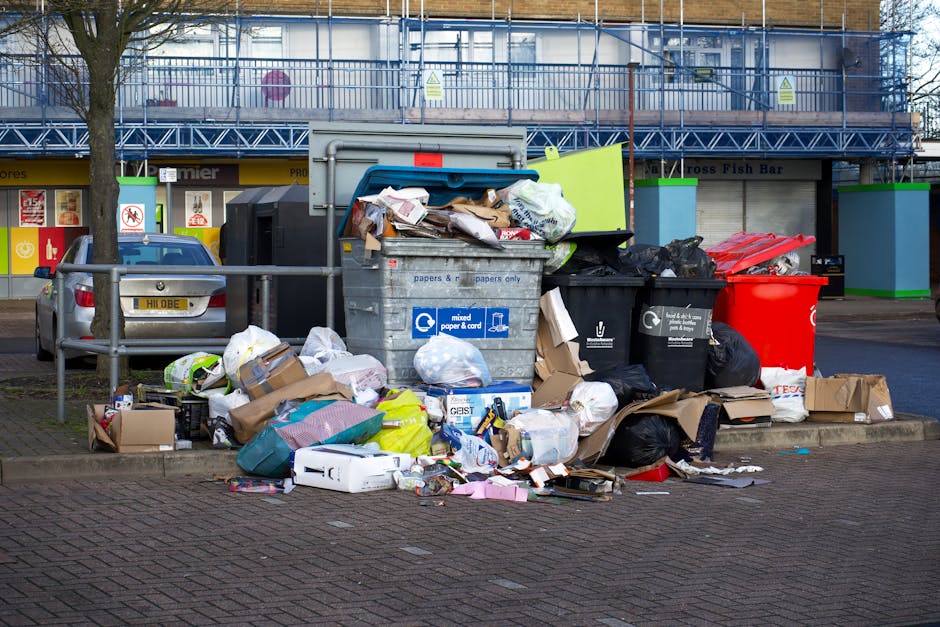
Pimlico is a dense, lived-in part of central London. That sounds obvious, but it changes everything about waste. Streets are narrow, terraces share boundaries, flats often have limited storage, and communal bin areas can become a pinch point very quickly. A small mistake with waste presentation can create a bigger problem than you expect: blocked pavements, overflowing bags, pests, complaints, or a collection that never happens because the wrong material has been left out.
For residents, the rules matter for three simple reasons. First, they keep the area tidy and usable. Second, they reduce the chance of avoidable fees or enforcement action. Third, they help you decide whether to use council collections, a bulky waste pickup, or a private clearance service. That choice matters more than people think. If you have ever dragged a sofa down a narrow Pimlico staircase at 7.30 in the morning, you will know exactly what I mean.
There is also a neighbourhood angle. Pimlico has a strong residential feel, but it is also close to busy streets, hotels, venues, and workspaces. Waste left in the wrong place can look careless very quickly. A single pile of bags near a railings line or beside a communal bin store can make a whole frontage feel untidy. Not ideal when you care about the street looking good.
How Westminster Council Rubbish Rules for Pimlico Residents Works
At a basic level, the system usually comes down to separating waste correctly, putting it out at the right time, and using the proper route for anything that does not fit in normal household bins. The council side of the process is generally designed for standard domestic waste, recycling, food waste where applicable, and occasional extra collections for larger items. The exact detail can vary by property type, collection round, and building setup, so residents should always check the current local guidance before putting items out.
In practical terms, the rules usually affect four main areas:
- Household rubbish - everyday non-recyclable waste placed in the right bin or sack.
- Recycling - clean, sorted recyclable material that should not be contaminated by food or mixed waste.
- Bulky items - furniture, mattresses, white goods, and awkward objects that need special handling.
- Controlled or restricted waste - items such as paint, chemicals, gas canisters, or electrical equipment that need extra care.
One thing people often miss is that "can I fit it in the bin?" is not the real question. The more useful question is: "Is this item suitable for the collection route I'm using?" For example, a mattress left beside a communal bin may be treated differently from a properly booked bulky collection. Likewise, a pile of builders' rubble from a bathroom refit is not the same as a normal household clear-out. Different waste streams, different expectations.
If you are arranging a more substantial disposal job, it can be useful to look at the broader services overview first, especially if you are weighing up whether the council route or a private team makes more sense for your situation.
Common waste categories residents should think about
- General household waste: food wrappers, mixed non-recyclables, hygiene waste.
- Dry recycling: cardboard, cans, bottles, and clean paper where accepted.
- Garden waste: branches, grass, leaves, and plant material, usually best kept separate.
- Bulky household waste: sofas, wardrobes, tables, carpets, beds, and mattresses.
- Commercial-style waste: office clearances, renovation debris, and mixed loads that may not be suitable for standard domestic collection.
For larger household clear-outs, you may also find this guide to bulky waste pickup in Pimlico useful, because it helps explain what usually happens when a sofa, mattress, or other large item cannot simply be left with the weekly bins.
Key Benefits and Practical Advantages
Following the rules properly is not just about avoiding hassle. There are some real, everyday advantages.
- Cleaner shared spaces: especially helpful in mansion blocks and converted flats where one person's mess becomes everyone's view.
- Fewer missed collections: sorting waste properly reduces the chance that crews leave items behind.
- Lower risk of complaints: neighbours are much less likely to raise issues if waste is managed neatly and on time.
- Better recycling outcomes: separated material is far easier to process correctly.
- Less lifting and rehandling: planning disposal once is better than moving the same pile three times. That sounds obvious, but people do it all the time.
There is also a softer benefit: peace of mind. The moment you know what can go where, a lot of low-grade stress disappears. You do not spend the whole day wondering whether the bin men will take that box or whether the mattress will sit there for a week making the entrance look a bit tragic.
For some Pimlico households, especially in flats with shared access, this is where a professional clearance option becomes a practical choice rather than a luxury. If you want to compare options, the page on rubbish removal in Pimlico is a sensible place to start, because it sits closer to real-world disposal needs than generic council guidance alone.
Who This Is For and When It Makes Sense
This topic is for almost anyone living or working in Pimlico, but some people will feel the pressure more than others. If you are in a top-floor flat with a narrow stairwell, a shared refuse area, or no lift, the rules and practicalities matter more because one awkward item becomes a mini operation. If you are a landlord, letting agent, or property manager, they matter because missed collections and illegal dumping can quickly become a tenant relations issue. And if you are renovating, moving, or clearing a property, they matter because the waste volume jumps fast.
In our experience, the people most likely to need a clearer plan are:
- Residents moving house or downsizing
- People replacing old furniture or mattresses
- Landlords handling end-of-tenancy clearances
- Homeowners after light refurbishment
- Small businesses near Pimlico dealing with office clutter
- Garden owners with seasonal cuttings and green waste
It also makes sense if you are dealing with a time-sensitive clean-up. Think post-party cleanup, tenancy handover, or a sudden burst pipe that has damaged furniture and left you with a horrible soggy pile in the corner. Not glamorous, admittedly. But very real.
If your waste situation is tied to a property project, the local notes on property investment guidance for Pimlico may also be helpful, because refurbishment timing and clearance planning often go hand in hand.
Step-by-Step Guidance
Here is the simplest way to handle waste in line with local expectations without overcomplicating it.
- Identify the waste type. Separate normal household rubbish from recycling, bulky items, green waste, and anything hazardous or restricted.
- Check whether it can go in standard bins. If it is large, heavy, sharp, wet, or mixed with other materials, stop there. It probably needs a different route.
- Decide whether it needs booking. Bulkier items and larger clearances often need advance arrangement rather than casual kerbside placement.
- Prepare the waste properly. Flatten boxes, bag loose waste, tie or secure light items, and keep similar materials together where possible.
- Use the right collection method. Council collection, private rubbish removal, or a specialist service may each suit different loads.
- Place waste out correctly. Put items where they are meant to go, at the right time, and do not block pavements, entrances, or bin access.
- Keep evidence where useful. For managed properties, keep a note of what was cleared and when. It saves awkward questions later.
A practical example: imagine you are clearing a bedroom. The bedding goes in one pile, the cardboard packaging in another, and an old wardrobe needs dismantling because there is no sensible way to carry it down intact. That is exactly the kind of job where a bit of planning saves you an hour of faffing about and one bruised shin. Been there, done that, not keen to repeat it.
Expert Tips for Better Results
There are a few habits that make rubbish disposal much easier in Pimlico, especially if your building has shared access or limited kerb space.
- Sort before you lift. It is far easier to separate waste inside the flat than after it is piled in the hallway.
- Keep a "bulky" corner. If you are decluttering over a week or two, create a clear staging area so waste does not drift through every room.
- Protect communal areas. Lift items carefully, use gloves if needed, and avoid scraping walls or bannisters.
- Plan around collection day. Putting things out too early can create clutter and complaints; too late can mean a missed collection.
- Use photos for odd items. If you are not sure whether something is suitable, a photo helps when discussing the best disposal route.
Another useful tip: if the waste load is mixed, ask yourself whether you are trying to solve two jobs at once. A garden tidy-up and a furniture clear-out are not the same thing. Neither is builders' rubble and old office paper. Separating them can make disposal cheaper, cleaner, and much less chaotic. That is one of those annoyingly simple truths.
For special jobs, the dedicated pages on garden waste removal, builders' waste disposal, and house clearance in Pimlico can help you match the service to the waste type rather than guessing.

Common Mistakes to Avoid
Most rubbish problems in Pimlico are not dramatic. They are just small mistakes repeated at the wrong time.
- Leaving items beside bins without checking rules: that is one of the quickest ways to create an eyesore or a collection issue.
- Mixing recyclables with food waste: contamination can make otherwise useful material unsuitable.
- Forgetting about bulky items: sofas, wardrobes, and mattresses need a different plan.
- Dumping builders' debris with household waste: mixed loads are more difficult to handle and may be refused.
- Assuming one building's setup applies to another: Pimlico properties vary a lot, even on the same street.
- Waiting until the last minute: that is how people end up blocking the hallway with a broken bookcase and a growing sense of regret.
Another mistake is focusing only on price and ignoring the process. A low quote is not much help if the provider turns up without the right vehicle, leaves half the load behind, or creates extra delays. If you want a better sense of what to watch for, the article on hidden fees in Pimlico rubbish quotes is worth a read.
Tools, Resources and Recommendations
You do not need a complicated toolkit to manage waste well. Usually, a few simple things are enough.
- Sturdy gloves: useful for sharp edges, splinters, and dusty clear-outs.
- Heavy-duty bags: especially for mixed light waste and small renovation debris.
- Marker tape or labels: handy if you are sorting multiple waste types over several days.
- A tape measure: surprisingly useful for checking whether bulky furniture will fit through doors or stair turns.
- A camera phone: take quick pictures of awkward items if you need to ask for a quote or advice.
On the service side, it helps to choose a provider that is transparent about what it can take, how the collection works, and what happens after the waste leaves your property. If you are comparing practical options, the page on pricing and quotes can help you think through the full cost picture, while recycling and sustainability gives a better sense of responsible handling.
If you are dealing with a business premises, the dedicated office clearance in Pimlico page is the more relevant route, because office waste has its own quirks. Paper, electronics, furniture, archived material - all different headaches, all needing sensible separation.
Law, Compliance, Standards, or Best Practice
Waste disposal in the UK sits within a wider framework of duty of care, responsible segregation, and safe handling. For Pimlico residents, the practical takeaway is simple: do not leave waste in a way that creates a public nuisance, do not dump items where they are not meant to go, and do not hand waste over to anyone who cannot show they are handling it properly.
In plain English, best practice usually means:
- Use the correct collection route for the waste type
- Keep recyclables as clean and separate as you reasonably can
- Do not place waste where it obstructs pavements or entrances
- Be cautious with hazardous, electrical, or sharp materials
- Choose insured, transparent services for larger clearances
That last point matters more than people realise. A reputable team should be able to talk clearly about what is included, what happens with the waste, and how the job will be carried out safely. If you want to understand that side in more detail, the page on insurance and safety is a sensible reference.
There are also privacy and payment considerations when you book a service online or by phone. It is normal to expect clear terms, sensible payment handling, and straightforward booking details. Those pages are not glamorous, granted, but they are part of a trustworthy service. A bit dull maybe. Still important.
Options, Methods, or Comparison Table
Choosing the right waste route usually comes down to speed, volume, convenience, and the type of item you are disposing of. Here is a practical comparison.
| Method | Best for | Strengths | Limitations |
|---|---|---|---|
| Council household collection | Regular domestic rubbish and recycling | Simple for routine waste, familiar process | Not suitable for many bulky or mixed items |
| Bulky item collection | Sofas, mattresses, wardrobes, larger furniture | Designed for awkward household items | Often requires booking and advance planning |
| Private rubbish removal | Mixed loads, tight deadlines, heavy clear-outs | Flexible, fast, useful for complex jobs | Usually depends on load size and access |
| Specialist clearance | House, office, garden, builders' waste | Best matched to the waste stream | Requires choosing the right service type |
If you are dealing with a straightforward load, the council route may be enough. If the job involves stairs, time pressure, or a mixed pile of household and renovation waste, a more tailored service is often easier and safer. For sudden jobs, the note on quick rubbish pickup in Pimlico offers a useful local perspective.
Case Study or Real-World Example
Picture a Pimlico flat after a long-awaited declutter. The resident has one broken armchair, two office chairs, three flat-pack boxes, some mixed recycling, and an old chest of drawers that will not fit through the front door unless it is dismantled. Nothing unusual, really. The mistake would be to treat that pile as ordinary bin waste.
What usually works best in a case like this is a step-by-step approach. First, separate the cardboard and clean recycling. Then remove loose household rubbish. Next, decide whether the furniture can be taken intact or should be broken down for safer handling. Finally, use the appropriate collection method for the bulky items, rather than hoping the pavement gods will be kind. They usually are not.
Now imagine the same flat has a downstairs communal area and a shared bin store. Leaving the wardrobe outside "just for a bit" might seem harmless, but that is exactly how shared entrances become cluttered and complaints begin. The better approach is to book a clear-out, keep the item indoors until collection day, and avoid creating a blocking point in the meantime.
That is the pattern you see again and again in Pimlico: small spaces, shared access, and limited tolerance for sloppy waste handling. The good news? A little planning solves most of it.
If your situation is more urgent - after a flood, a break-in, or a major mess - the article on emergency rubbish removal in Pimlico is the kind of practical follow-up that can save time when everything feels a bit upside down.
Practical Checklist
Use this before you put anything out or book a clearance.
- Have I identified the waste type correctly?
- Can it go in a normal bin or recycling container?
- Does it need to be booked as bulky waste or specialist disposal?
- Have I separated recyclables from general rubbish?
- Is anything sharp, heavy, wet, or hazardous?
- Will the waste block a hallway, landing, pavement, or bin store?
- Do I need help carrying it down stairs or through narrow access?
- Have I checked whether the service is suitable for household, garden, office, or builders' waste?
- Do I know what happens after collection and how the waste is handled?
- Have I compared the convenience of council collection with the speed of a private service?
If you can tick most of those off, you are already ahead of the game. Seriously, half the stress disappears once the waste stops being a vague future problem and becomes a sorted, labelled, manageable task.
Get a free quote today and see how much you can save.
Conclusion
Westminster Council Rubbish Rules for Pimlico Residents are less about memorising rules and more about making sensible choices for a busy, space-limited part of London. Once you understand the difference between everyday rubbish, recycling, bulky waste, and specialist disposal, the whole thing becomes much easier. You can avoid missed collections, keep shared areas tidy, and make better decisions about when to use council services and when to call in extra help.
Truth be told, that is the real win here. Not perfection. Just a calmer, cleaner, less chaotic way of dealing with the stuff that life leaves behind. And if you live in Pimlico long enough, there will always be stuff. The trick is handling it well, without letting it take over the week.
For bigger clear-outs, awkward access, or time-sensitive jobs, it is worth exploring the service pages and choosing the route that fits your property and your schedule. A bit of planning now tends to save a lot of trouble later, and your hallway will thank you for it.


 Tipper Van - Waste Disposal and Rubbish Removal Prices in Pimlico, SW1
 Luton Van - Waste Disposal and Rubbish Removal Prices in Pimlico, SW1